


Shop
Devices
Need help choosing?
Check the model and generation of your device before ordering: compatibility is shown on every product page.
Compare the devicesEverything you need to know about active and passive recovery for athletes
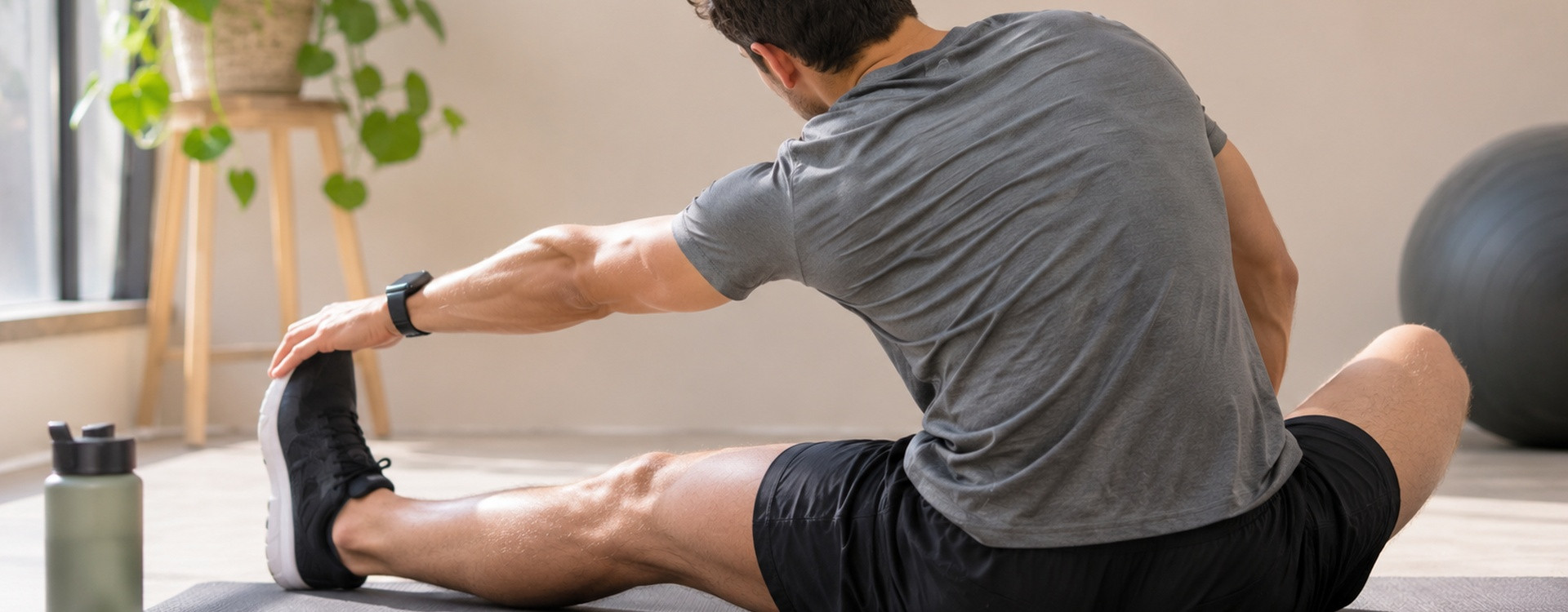
Recovery is a crucial phase of any training plan, for beginners and experienced athletes alike.
Recovery and rest allow muscles to repair themselves, ease pain and reduce the risk of injury caused by overtraining.
Discover the importance of active recovery and passive recovery, as well as the benefits they bring to your body and your physical performance.
In this article
01What are active and passive recovery?02Why and how should you use active recovery?03Passive recovery: the perfect partner for active recoveryWhat are active and passive recovery?
Recovery is essential for anyone who takes part in sport. Intensive and repeated use of the muscles can lead to injury or excessive fatigue when they do not have time to rest.
To improve your sports performance, it is essential to do certain activities and adopt habits that support both active and passive recovery.
Active and passive recovery: principles and differences
Active recovery, as its name suggests, involves doing low-intensity physical activity in order to improve the body's recovery process.
Passive recovery, on the other hand, involves observing a period of rest of varying length. During this period, effort should be kept to a minimum to give the body time to rest.
Note that passive recovery is not just about staying inactive. Several activities and good habits can improve the recovery process. Nutrition, electrostimulation and massaging sore muscles are all very effective for physical and mental health.
Why and how should you use active recovery?
Including activities that support active recovery in a training plan brings many benefits for athletes:
- ✓Improved blood circulation, delivering more oxygen and nutrients to the muscles,
- ✓Reduced build-up of lactic acid,
- ✓Faster elimination of toxins,
- ✓Gentle development of strength and endurance throughout the whole body,
- ✓Less pain after training,
- ✓Strengthening and maintenance of coordination, flexibility and mobility,
- ✓Reduced stress,
- ✓Better sleep,
- ✓Increased motivation by trying new sports activities,
- ✓Etc.
All these benefits are particularly important for improving athletic performance, but also for keeping the body strong and resilient.
When and how should you use active recovery?
Active recovery can be done straight after an intensive training session. This practice is commonly known as the “cool down”.
For example, after a 10 km run, a runner should ideally keep running at a very slow pace for around ten minutes to allow the body to recover. This cool down releases tension and promotes blood circulation.
Active recovery can also be practised on rest days. It is recommended to choose a physical activity that works the muscles gently without straining the joints. Ideally, include one or two active recovery sessions of around 30 to 60 minutes per week.
The best activities for active recovery
Several physical activities are particularly well suited to active recovery on your rest days.
Cycling
Cycling, outdoors or indoors, is an excellent sport for active recovery.
You can go for a ride of between 30 minutes and 2 hours, making sure you keep a moderate or even slow pace from start to finish. Avoid routes with lots of hills as far as possible to limit the effort.
Walking
Walking is one of the most effective physical activities for staying active on recovery days.
Ideally, go for a brisk walk for about an hour. This helps blood circulate efficiently through your muscles and greatly supports muscle recovery.
Walking in nature is also very beneficial for your mental health and well-being.
Running
Running, outdoors or indoors, is an ideal way to improve your cardiovascular health and also build your stamina.
It is essential to keep a slow pace throughout and avoid putting too much strain on your joints.
Swimming
Swimming is also very useful for active recovery, as it puts no strain on your joints. This absence of impact, thanks to the body being immersed in water, is ideal when muscles are sore.
A swimming session of 30 to 60 minutes helps support recovery and blood circulation.
Yoga
As well as being very well suited to active recovery, yoga is a gentle sport that greatly contributes to well-being.
A yoga session of 60 to 90 minutes helps increase flexibility and reduce muscle pain.
Passive recovery: the perfect partner for active recovery
Passive recovery involves including at least one full day of rest in your weekly training schedule. This means avoiding putting strain on the muscles and joints so that the body can rest completely.
This is particularly important in the event of injury, intense muscle pain, or when the body signals its need for rest through a feeling of excessive fatigue.
Most athletes choose to take their weekly rest day the day after a very intense training session or a competition.
The benefits of passive recovery
Passive recovery offers many benefits for beginners and experienced athletes alike:
- ✓Reduced muscle tension,
- ✓Optimised recovery of damaged muscle tissue,
- ✓Better sleep,
- ✓Greater well-being,
- ✓Improved physical performance,
- ✓Reduced risk of injury caused by overtraining,
- ✓Etc.
Activities and good habits to support passive recovery
Here are some completely natural methods to use on rest days, along with good habits to adopt to maximise the benefits of passive recovery.
Massage
Massage is ideal for muscle recovery. When done properly, massage relaxes tight muscles, reducing pain and increasing the feeling of well-being.
Nutrition and hydration
During the passive recovery phase, it is recommended to provide the body with enough protein to repair damaged muscle tissue. Carbohydrate intake is also advised to restore the muscles' energy reserves: glycogen.
Drinking enough water (at least two litres a day) helps limit muscle contractures and other muscle tension.
Sleep
Sleep is one of the key factors in effective passive recovery. It is important to get enough sleep so that the muscles can recover and the body can recharge.
It is also very important to go to sleep and wake up at regular times.
Cryotherapy
Cryotherapy involves using cold as a treatment for certain conditions. As part of passive recovery, applying cold helps ease pain and stiffness after an intense training session.
Cold showers or applying an ice pack are effective ways to optimise muscle recovery.
Electrostimulation
Electrostimulation is a natural method that works the muscles using electrical impulses delivered through electrodes placed on the skin.
When the muscles contract, users feel the same effects as during a massage session with a physiotherapist. Tension is released, blood circulation is improved and a feeling of calm is felt instantly.
→Find out more about recovery
Discover the Duo Sport 2Related posts
-
La nutrition avant un ultra trail : comment bien se préparer ?21 LikedLes ultra trails sont des courses d’endurance d’au moins 42 kilomètres qui sont réservées aux coureurs expérimentés....Read article -
Courir plus vite après 50 ans : ce qu’il faut savoir sur vos performances sportives22 LikedCourir plus vite après 50 ans demande de la persévérance. En vieillissant, votre corps doit en effet faire face à de...Read article -
Tout ce que vous devez savoir sur la récupération activePosted in: Active recovery01/06/202221 LikedIl existe plusieurs façons de récupérer après un effort sportif : faire des étirements, se reposer ou encore...Read article -
La récupération active : un atout indéniable pour la musculationPosted in: Active recovery03/06/202220 LikedLa récupération active est une pratique sportive qui consiste à réaliser une activité physique de faible intensité...Read article -
Comment faire une séance de récupération active en football ?Posted in: Active recovery06/06/202232 LikedPour récupérer après un match de foot, il existe deux principales méthodes : la récupération passive et la...Read article