



Endometriosis: Symptoms, Stages and Treatments
Although all too often misdiagnosed, endometriosis is a common gynaecological disease affecting millions of women around the world. This often painful condition is characterised by the growth of endometrial tissue outside the uterus, causing various symptoms that can disrupt women's daily lives. Beyond the pain, endometriosis can also affect fertility and lead to other complications.
In this article, we will guide you through the symptoms of endometriosis, the different stages of endometriosis and the endometriosis treatment options available. We will also explore how electrostimulation devices such as Bluetens can help manage the pain associated with endometriosis.
Understanding endometriosis: what is it?
Endometriosis is a gynaecological condition that occurs when the endometrium, the tissue that normally lines the inside of the uterus, starts to grow outside the uterus. This abnormal growth is mainly found on the ovaries, the fallopian tubes and the tissues lining the pelvis. Unlike the endometrium, which breaks down and leaves the body during menstruation, this ectopic tissue has no such way out. This can lead to inflammation and intense pain.
As shown by the World Health Organization, the symptoms of endometriosis can include acute pelvic pain, difficulty conceiving, pain during sexual intercourse, and pain during periods or urination. It is a chronic disease that can significantly affect women's quality of life and whose effects can last until menopause.
The different stages of endometriosis
Endometriosis is classified into four stages of increasing severity according to the classification of the American Society of Reproductive Medicine (ASRM). This classification system is mainly based on the location, extent and depth of the endometriosis implants, as well as the presence and severity of adhesions.
- Stage I (minimal): a few isolated endometriosis implants and no significant adhesions.
- Stage II (mild): more implants, which remain superficial. Adhesions may be present but are minimal.
- Stage III (moderate): more numerous and deeper implants. Clear adhesions are present.
- Stage IV (severe): many deep implants, extensive adhesions and possible "chocolate" ovarian cysts.
As FMC Gastro points out, the natural history leading to the development of a symptomatic endometriosis lesion remains poorly understood. It is essential to note that the severity of the endometriosis stage is not always directly proportional to the pain felt. A woman may have stage I endometriosis but experience severe pain, while another woman with stage IV may have only mild or even no symptoms.
Diagnosing endometriosis: how do you know what stage you are at?
If you have symptoms of endometriosis, your doctor may recommend an abdominal and pelvic ultrasound to help make a diagnosis. It is a non-invasive technique that uses sound waves to create an image of your internal organs, which can help identify possible endometriosis lesions.
For better detection of lesions, a pelvic ultrasound is often performed transvaginally. The ultrasound probe is placed in the vagina, which provides very high-quality images. According to Ameli (France's national health insurance, which we sometimes grumble about but are very glad to have), this is a key step in diagnosing endometriosis and determining its stage.
It should be stressed, however, that an ultrasound may not reveal all lesions, particularly those that are small or located in places that are hard to see. In some cases, additional tests such as a pelvic MRI may be needed. As a last resort, a definitive diagnosis of endometriosis may require surgery, called laparoscopy, to examine the pelvic organs and take tissue samples for analysis.
Endometriosis symptom: lower back pain and other symptoms
Living with endometriosis can be a challenge, as this disease can affect many aspects of daily life. Pain is a common endometriosis symptom and one of the most disabling. It can show up in various ways, including persistent lower back pain that can become particularly intense during menstruation. In fact, this is the most common form of endometriosis lower back pain.
Beyond lower back pain, endometriosis can also cause chronic pelvic pain, severe menstrual cramps, pain during sexual intercourse, bowel and urinary problems, and chronic fatigue. All these symptoms can have a significant impact on quality of life, sometimes making everyday tasks difficult.
It is therefore crucial to have effective strategies to manage these symptoms. Talking about your experience with your doctor, seeking support from groups or associations and exploring different treatment options can help you live better with endometriosis.
Managing endometriosis pain: current treatments and the emergence of electrostimulation
In the vast world of endometriosis treatments, several solutions are available, ranging from pain-relieving medication and hormones to control the growth of endometrial tissue, to surgery in more severe cases. However, these approaches can have unwanted side effects and do not always guarantee long-term pain relief.
It is with this in mind that the new endometriosis treatment using electrostimulation is gaining ground. As Followmetrios shows, this technique uses electrical impulses to relieve pain, and has proven effective in managing various painful conditions, including endometriosis.
Bluetens Classic and DUO Sport: electrostimulation for pain management
Electrostimulation has earned its place among the new methods of pain management. In this field, Bluetens products stand out for their accessibility, ease of use and effectiveness.
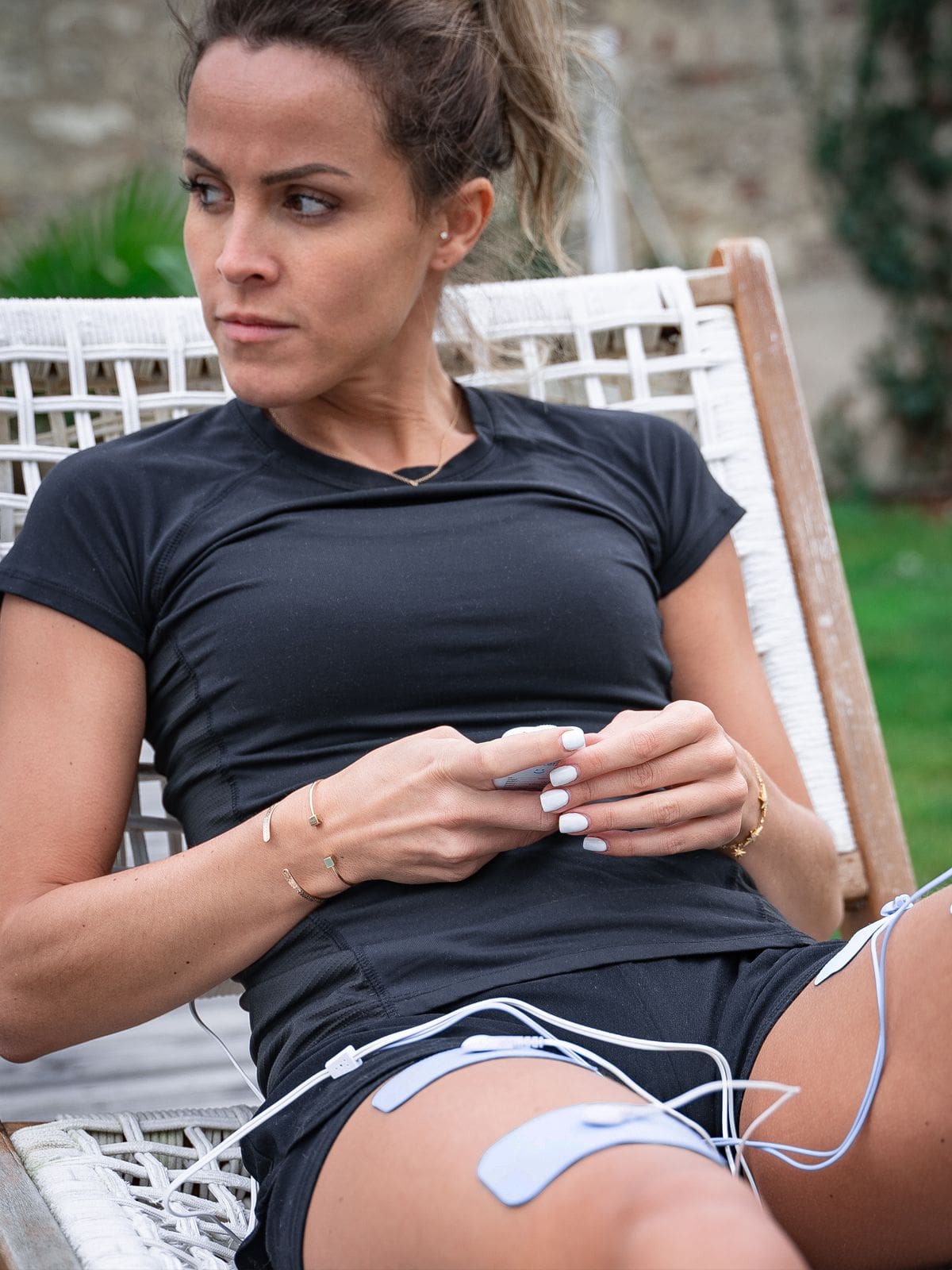
The Bluetens Classic is a compact, easy-to-use electrostimulation device. Thanks to its portability, it is ideal for daily use, offering users a practical way to manage their pain at home. The Bluetens Classic's varied programmes offer a wide choice of pain-relief programmes for effective action adapted to each stage of endometriosis.
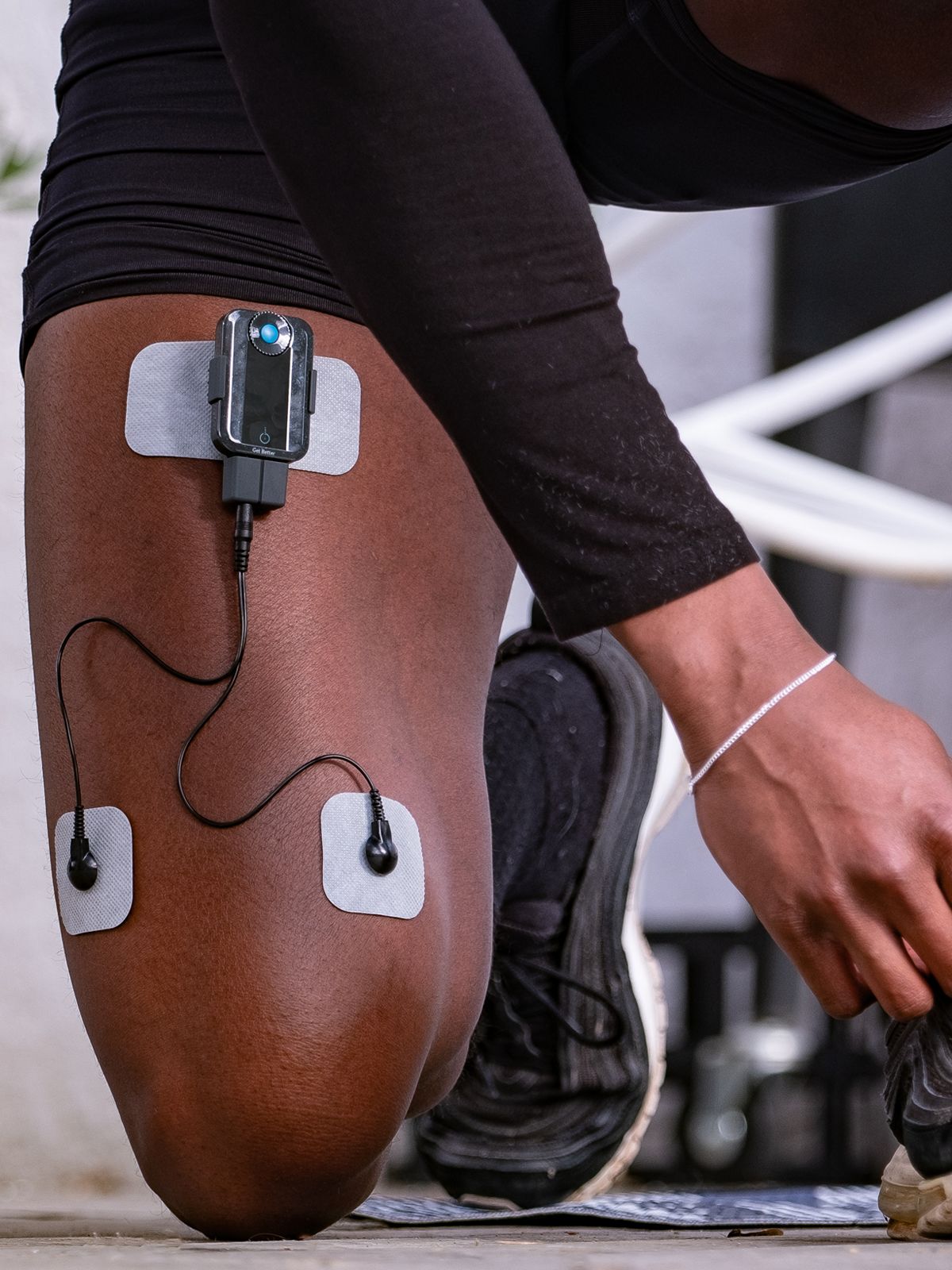
Alongside it, Bluetens' DUO Sport brings an extra touch of innovation. Specially designed for athletes, the DUO Sport not only provides pain relief but also contributes to muscle recovery and improved physical performance. These features can be beneficial for women with endometriosis who want to stay physically active.
These Bluetens devices are more than just an endometriosis treatment. They are allies for a better quality of life, offering the possibility of managing pain independently and in a way adapted to each situation.
It is important to stress that electrostimulation, although effective, does not replace appropriate medical follow-up. It should be considered as a complementary solution within the overall strategy for managing endometriosis.
Towards a better life with endometriosis
Endometriosis is a difficult disease, but with good understanding and appropriate management, it can be overcome. Medical advances, including the new endometriosis treatment, are promising and offer new hope. Among these solutions, Bluetens products such as the Classic and the DUO Sport stand out for their effectiveness in managing pain. Despite the challenges, a full and fulfilling life is possible with endometriosis.
Related posts
-
 The best tips for relieving the symptoms of fibromyalgiaBluetens, natural pain relief solution, provides effective management of pain of people suffering from fibromyalgia.Read article
- Periostitis: a very common runners injuryThe pain is along the middle ridge of your leg, slightly lateral to it: there is a high risk that you have developed...Read article
- Douleurs articulaires : soulagez-les avec BluetensLe corps humain possède 400 articulations et les causes des douleurs articulaires peuvent être multiples. En...Read article
- Heavy legs, what to do?Heavy legs, cramps, varicose veins, all these signs of venous insufficiency. Take care of your legs with Bluetens!Read article
- Les effets de l’électrostimulation sur la douleurL’électrostimulation est capable de soulager tous les types de douleurs, occasionnelles ou chroniques.Read article