


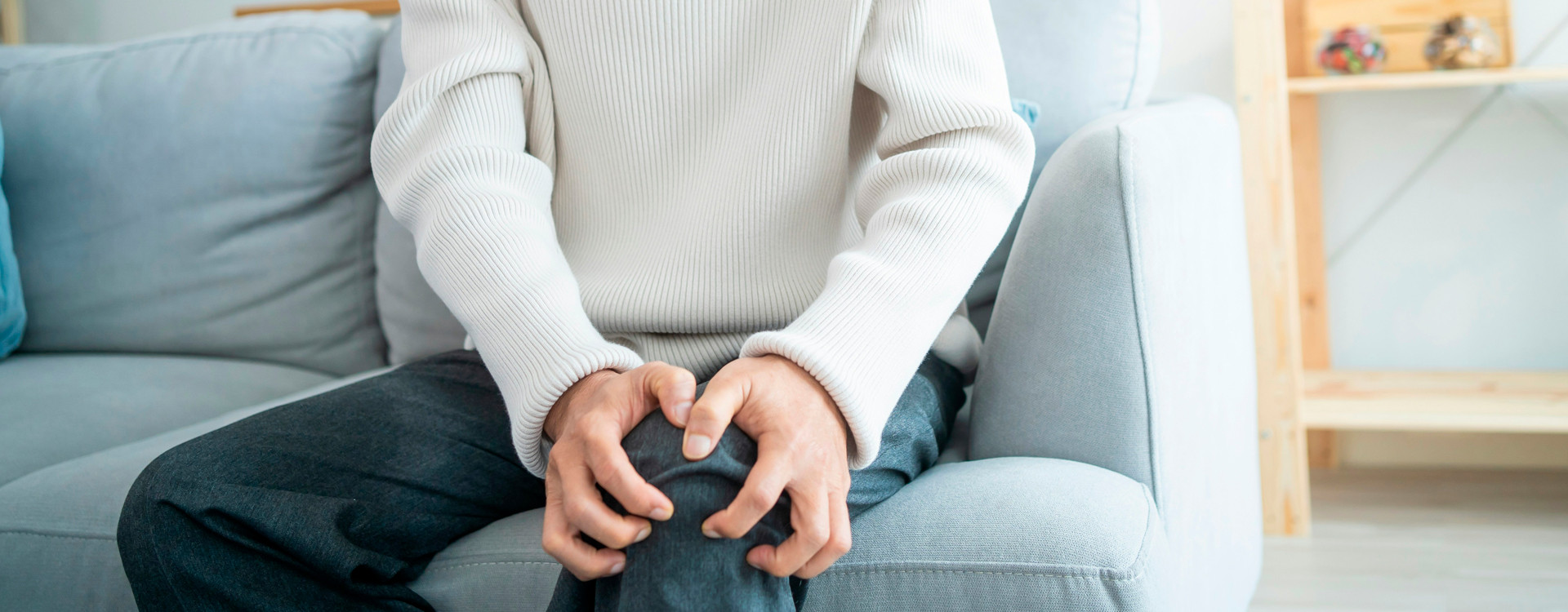
Overcoming Algodystrophy: Comprehensive Strategies for Effective Rehabilitation
Algodystrophy, known for its intense pain and sometimes debilitating nature, remains a medical mystery that is only partially understood. This complex regional syndrome, which often develops after a minor injury, can turn the daily lives of those affected upside down. But what is the reality behind this condition and, above all, how can you recover from algodystrophy?
Advances in medicine and technology are opening up promising avenues for treatment and rehabilitation. In this article, we explore current and innovative solutions, including the use of electrostimulation, to relieve symptoms and improve patients' quality of life. Follow our detailed guide to understand and effectively combat algodystrophy.
Understanding algodystrophy
Algodystrophy, often called complex regional pain syndrome (CRPS), is a condition characterised by intense pain, often disproportionate to the initial cause. It usually affects one limb and develops after trauma, surgery, or sometimes for no apparent reason. Symptoms can include burning pain, changes in skin temperature and sensitivity to touch.
Research suggests that algodystrophy may be caused by an exaggerated reaction of the sympathetic nervous system, leading to vascular and inflammatory changes in the affected area. Although supported by many experts, this theory does not fully explain the variability and complexity of the cases observed. As shown by Chirurgie des Nerfs, this mysterious condition calls for a range of physiological and psychological factors to be taken into account in its management.
The question of which treatment to choose for algodystrophy therefore remains relevant, as the approach must be personalised and adaptive, depending on how the symptoms evolve and how the patient responds to the therapies undertaken.
Conventional treatments
Despite its enigmatic nature, algodystrophy can be managed with several treatment approaches aimed at relieving pain and improving the function of the affected areas. Treatment options generally include medication, physical therapy and psychological interventions.
Among the medication options are corticosteroids such as prednisone, often prescribed in the first months after the onset of the condition for their anti-inflammatory effect. Painkillers such as paracetamol, or stronger drugs such as tramadol, are frequently used to manage day-to-day pain. Medications targeting neuropathic pain, such as gabapentin or amitriptyline, are also common, highlighting the neurological aspect of algodystrophy.
According to ICMMS, most patients see a significant improvement after several months of treatment, although recovery time can vary. Chirurgien Orthopédique Normandie stresses the importance of a personalised treatment plan that is reviewed regularly and combined with appropriate rehabilitation to maximise the recovery of pain-free mobility.
This information shows that there is no single cure for algodystrophy, but rather a range of treatments adapted to the complexity of each case, making the management of this condition as personalised as possible.
Algodystrophy rehabilitation
Physical rehabilitation plays a crucial role in managing algodystrophy, a condition that can benefit greatly from tailored physiotherapy. The rehabilitation process aims to restore the function of the affected joints, improve mobility and reduce pain, while preventing the muscle atrophy that can result from prolonged inactivity.
According to the Centre Orthopédique Santy, effective rehabilitation must be well supervised and constantly reassessed to ensure that it meets the patient's changing needs. Algodystrophy rehabilitation can include a variety of techniques, such as physiotherapy, manual therapy and specific exercises targeting the affected areas. These interventions are designed to strengthen muscles, improve blood circulation and promote better coordination.
The importance of rehabilitation in treating algodystrophy lies in its ability to bring normal movement back into the patient's daily life, thereby reducing the risk of long-term complications. It enables patients to regain an acceptable quality of life and to minimise the functional impact of this painful and often debilitating condition.
The rehabilitation approach must be personalised and may require frequent adjustments as the patient's condition evolves, underlining the importance of close medical monitoring and collaboration between the patient and healthcare professionals.
Neurostimulation: an innovative approach
In the fight against algodystrophy, electrostimulation is emerging as a promising method for relieving pain and supporting recovery. Transcutaneous electrical nerve stimulation, in particular, uses small electrical currents to interfere with the pain signals sent to the brain, a technique that can greatly improve the quality of life of patients suffering from this painful condition.
According to Pharma GDD, neurostimulation can help scramble the pain message at brain level, stimulate the release of pain-relieving neurotransmitters and thus provide the patient with effective relief. This method is particularly beneficial because it allows pain to be managed without the side effects associated with traditional medication.
By incorporating electrostimulation into their routine, people with algodystrophy can not only find answers to the question of how to recover from algodystrophy, but also improve their independence and reduce their reliance on medication. This is a significant step forward in rehabilitation and pain management, opening up a new path towards a pain-free life.
Bluetens devices: allies in the fight against algodystrophy
Bluetens electrostimulation devices, the Bluetens Classic and the Duo Sport, play a crucial role in managing algodystrophy thanks to their personalised programmes and advanced technology. These devices offer a range of programmes that support both rehabilitation and pain reduction.
Bluetens Classic: personalisation and versatility
The Bluetens Classic features programmes specifically designed to treat pain and support muscle recovery. The "Cure" mode is ideal for the chronic pain associated with algodystrophy, providing targeted relief and helping muscle regeneration. The "Relax" and "Strengthen" programmes complement this treatment by helping to relax tense muscles and strengthen weakened areas, which is essential to prevent symptoms from recurring.
Duo Sport: double effectiveness for advanced rehabilitation
With its two units working simultaneously, the Duo Sport allows a more intensive and personalised approach. This device is particularly effective for patients who need sustained attention on several areas. It can treat different parts of the body synchronously, ensuring a harmonious and balanced recovery.
Everyday use and easy access
Bluetens devices are designed to be easy to use at home, making the daily management of algodystrophy more accessible and less dependent on frequent clinic visits. Being able to use these devices at home or at work allows patients to maintain a regular treatment routine, which is essential for long-term recovery.
A cure for algodystrophy: towards innovative rehabilitation
To overcome algodystrophy, it is crucial to explore various treatment and rehabilitation options. Understanding the causes, choosing appropriate treatments and committing to a rehabilitation programme are fundamental steps.
Electrostimulation is proving to be a valuable complement, offering an innovative method to relieve pain and speed up recovery. By incorporating solutions such as those offered by Bluetens, patients can improve their quality of life while taking an active role in their recovery.
Posted in: Electrotherapy
Related posts
-
 The best tips for relieving the symptoms of fibromyalgiaBluetens, natural pain relief solution, provides effective management of pain of people suffering from fibromyalgia.Read article
- Periostitis: a very common runners injuryThe pain is along the middle ridge of your leg, slightly lateral to it: there is a high risk that you have developed...Read article
- Douleurs articulaires : soulagez-les avec BluetensLe corps humain possède 400 articulations et les causes des douleurs articulaires peuvent être multiples. En...Read article
- Heavy legs, what to do?Heavy legs, cramps, varicose veins, all these signs of venous insufficiency. Take care of your legs with Bluetens!Read article
- Les effets de l’électrostimulation sur la douleurL’électrostimulation est capable de soulager tous les types de douleurs, occasionnelles ou chroniques.Read article