


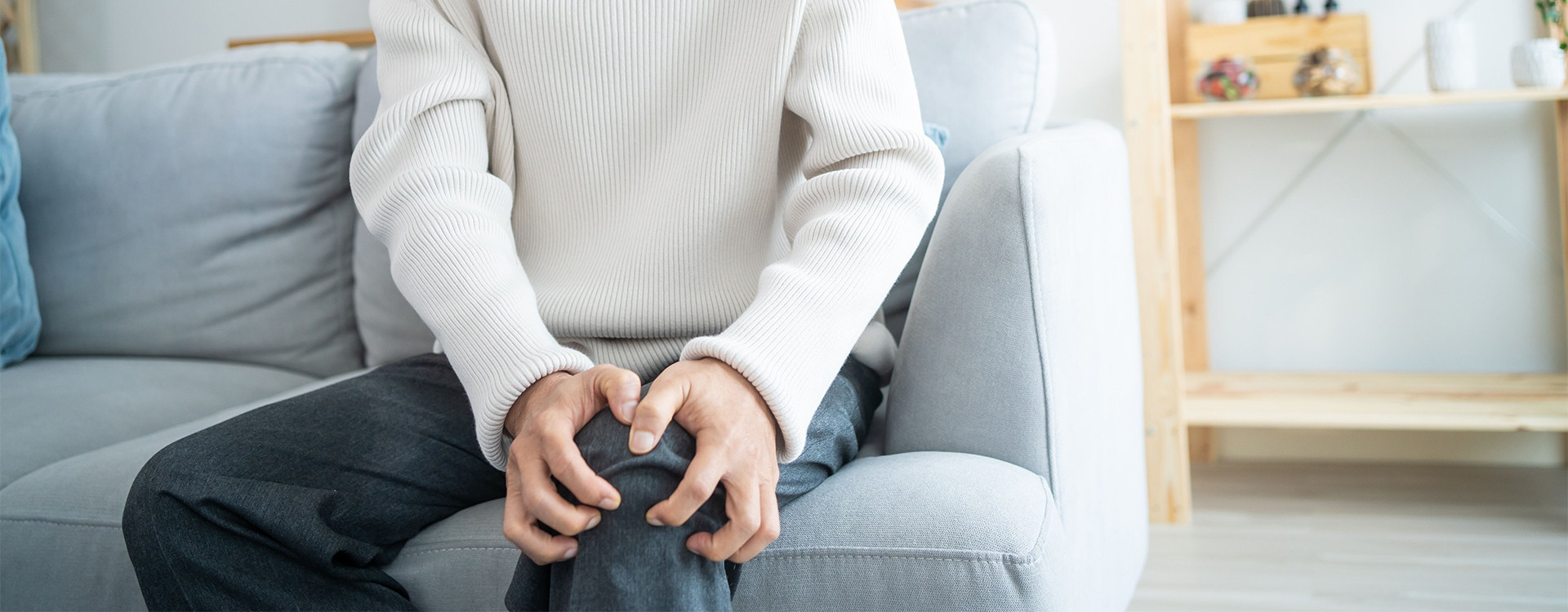
The Causes of Osteoarthritis and How Electrical Stimulation Could Help
Have you ever got up in the morning, stretched your sleepy limbs and heard a little "click-clack" coming from your joints, like an old creaky door? For some, this "click-clack" isn't just a sound, but also the sign of persistent pain called osteoarthritis. And then you think: "what are the causes of osteoarthritis?"
Have you thought about the repeated impacts from that memorable rollerblading fall ten years ago? Or maybe that slightly too intense football match with friends? But before replaying the film of your past stunts, let's dive into the heart of the matter together. And who knows, maybe electrostimulation will come along and play the superhero!
Understanding osteoarthritis: when our joints show their age
Osteoarthritis, that old "friend" who turns up unannounced, is no stranger to many of us. And while some claim it's a sign that we danced too much in our younger years, it's time to debunk a few myths.
In reality, osteoarthritis is a story of wear and tear. Imagine an old pair of jeans, worn again and again, that eventually gets damaged. Our joints are a bit like that. Over time, the cartilage that protects them can become damaged and worn, leaving the bones to rub together in a way that's not at all harmonious.
So, what are the causes of osteoarthritis? While age seems to be the main cause of osteoarthritis, other factors also need to be taken into account. For example, a joint injury, such as damage to a meniscus or a cruciate ligament in the knee, can speed up osteoarthritis's invitation to your inner party. As the French Society of Rheumatology points out, these incidents can damage a joint, making it more susceptible to osteoarthritis.
So, before launching into an acrobatic performance inspired by your favourite action film, think of your joints. They might not applaud as much as your friends.
When osteoarthritis puts on a show: the early warning signs
Although osteoarthritis can sometimes sneak in quietly, it has an annoying habit of leaving a few clues behind. Some of us might even say it wants to be noticed! So, what are the symptoms of osteoarthritis disease to look out for?
To start with, a little tingling here or there. Pain that usually appears after exertion or on waking. Then that morning stiffness that gives us a robot walk for the first few minutes after leaving our cosy bed.
But that's not all! There is also reduced joint flexibility, a “creaking” sensation and sometimes even localised swelling. There you go: osteoarthritis is in full concert in your body. Don't forget to ask for an autograph!
When technology meets osteoarthritis: an electric "match"!
Ah, that dull ache in the knee after a hike or a day of intensive gardening! Rather than letting yourself be overwhelmed, why not give technology a little boost to counter this discomfort? Enter electrotherapy!
For the uninitiated, think of electrotherapy as your own pocket physiotherapist... but with small electrical pulses. Don't wince! These impulses have the fabulous power to awaken our endorphins, a bit like anti-pain superheroes slipping into our body. Yes, as surprising as it may seem!
The double advantage of electrotherapy, according to Jérôme Auger, is that it helps both to ease our joint and muscle pain and to tone those same muscles. So, if you're wondering “what treatment for knee osteoarthritis”, it is an attractive option.
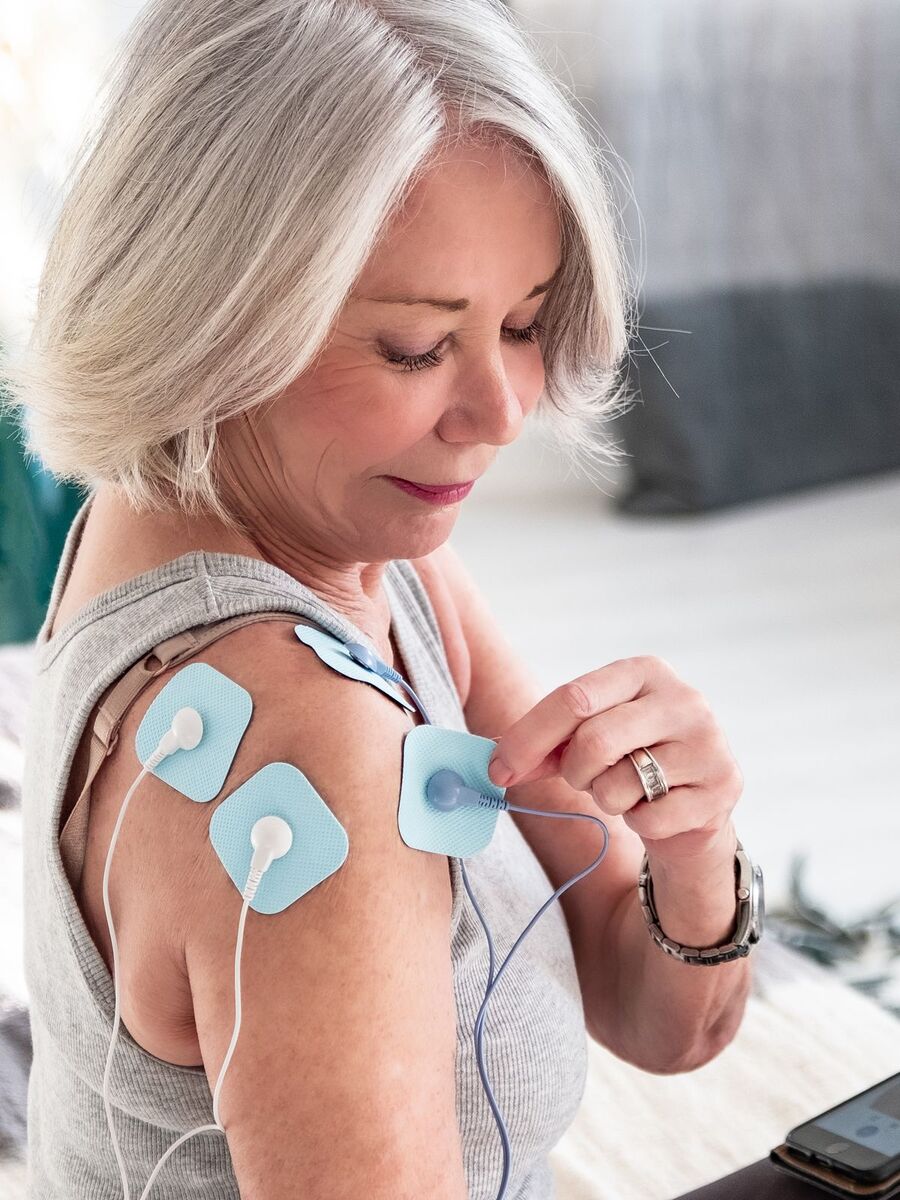
But which device should you choose? According to Senior Actu, Bluetens, with its Bluetens Classic and DUO Sport devices, stands out. Medically certified and designed by a team of experienced physiotherapists, it stimulates our brain's pain-relieving response, relegating osteoarthritis to the substitutes' bench in the match of our well-being.
After all, it's not enough to say that Bluetens is unique: let's understand why. These devices work with self-adhesive electrodes which, once placed on the skin, deliver electrical impulses. These carefully calibrated signals interfere with the pain messages sent to our brain, thus providing relief.
And the trick? Thanks to the Bluetens app, each user can personalise their session, from simple muscle relaxation to intensive therapy for acute pain. So it's not just a remedy for the moment, but also a long-term strategy to manage and prevent pain.
Why pedalling could be your best ally against osteoarthritis
Pushing the pedals isn't just a way to admire the scenery or burn off the extra pounds after a cheese fondue. Surprise: it's also a shield against osteoarthritis!
Osteoarthritis, that disease with such mysterious roots, isn't very fond of physical activity. In particular, it seems to have a soft spot for cycling enthusiasts. Why, you ask? Well, according to La Tour, cycling ensures smooth joint movement and lubrication without impact. The result? Toned muscles and well-lubricated joints that make osteoarthritis pull a face.
So, the next time you hesitate to get on your bike, think of your joints waiting for that little boost!
Saddle up for a pain-free future!
Osteoarthritis, that formidable enemy that tickles (or annoys!) us over the years, isn't fought alone. We've discovered that behind this medical puzzle lie modern solutions and age-old practices like... the good old bike. Thanks to electrotherapy and the magic of Bluetens, we can also take a technological approach to taming pain.
So, whether you're challenging your joints on a cycle path or treating yourself to an electrical stimulation session after a long day, remember: every step, every pedal stroke, every "zzzt" of electrotherapy is one more step towards a pain-free future. See you on the cycle path... or in the future (or why not both)?
Related posts
-
 The best tips for relieving the symptoms of fibromyalgiaBluetens, natural pain relief solution, provides effective management of pain of people suffering from fibromyalgia.Read article
- Periostitis: a very common runners injuryThe pain is along the middle ridge of your leg, slightly lateral to it: there is a high risk that you have developed...Read article
- Douleurs articulaires : soulagez-les avec BluetensLe corps humain possède 400 articulations et les causes des douleurs articulaires peuvent être multiples. En...Read article
- Heavy legs, what to do?Heavy legs, cramps, varicose veins, all these signs of venous insufficiency. Take care of your legs with Bluetens!Read article
- Les effets de l’électrostimulation sur la douleurL’électrostimulation est capable de soulager tous les types de douleurs, occasionnelles ou chroniques.Read article