



Gym and Functional Training: Making Every Session Count.
In an era where every workout counts, functional exercise programmes are revolutionising traditional approaches to fitness. These workouts, focused on practical and versatile movements, go beyond the gym to reach into our everyday lives. They do not just sculpt the body; they aim to improve our ability to carry out daily tasks with ease and efficiency.
According to David Lloyd Clubs, functional training is a pragmatic approach to fitness that focuses on improving the body's performance in everyday activities such as bending, turning or lifting. Simply put, these workouts strengthen your body so that you can carry out everyday activities easily and without risk of injury. Let's explore why these outdoor workouts are much more than simple exercises: they embody a true philosophy of physical and mental well-being.
The benefits of functional training
Functional training, much more than a simple workout programme, offers a wealth of benefits for both body and mind. These sessions, often seen as an advanced form of strength and endurance training programme, go far beyond improving physical strength.
Firstly, these workouts improve posture. By engaging various muscle groups, they help keep the body aligned and balanced. This holistic approach to fitness also contributes to better body stability, which is essential for preventing injuries and for improved performance in other sports or daily activities.
According to Level Addict, functional training builds the core strength needed for everyday life. This core strength is crucial not only for athletes but for all of us in our daily tasks, from carrying shopping to playing with our children.
These workouts also significantly reduce the risk of injury. By improving coordination and balance, they prepare us to react better to unexpected situations, minimising the risk of falls or awkward movements.
Finally, the social nature of functional training should not be underestimated. These sessions, often carried out in groups, create social bonds and boost motivation, making exercise more enjoyable and less of a chore. This social aspect also contributes to mental health, offering a supportive and friendly environment.
Principles of functional training
Functional training, much more than a simple exercise programme, is based on key principles that aim to improve our ability to perform everyday tasks efficiently. According to Nike, functional training focuses on exercises that engage several muscle groups at the same time, mimicking the movements we make in real life.
This type of training often involves compound movements such as squats, lunges and push-ups, which work several muscles at once. Unlike isolation exercises that target a single muscle group, functional training encourages the body to work as a coherent unit, improving coordination and overall function.
One of the fundamental principles of this workout programme is injury prevention. By teaching the body to move more efficiently and harmoniously, functional training reduces the risk of strain or damage to individual muscles, ligaments and joints. This is particularly beneficial for people with high daily physical demands or for athletes who want to optimise their performance while minimising the risk of injury.
In short, functional training is designed to make our bodies more capable, agile and resilient, making not only our sporting activities but also our daily tasks easier.
Electrostimulation and functional training
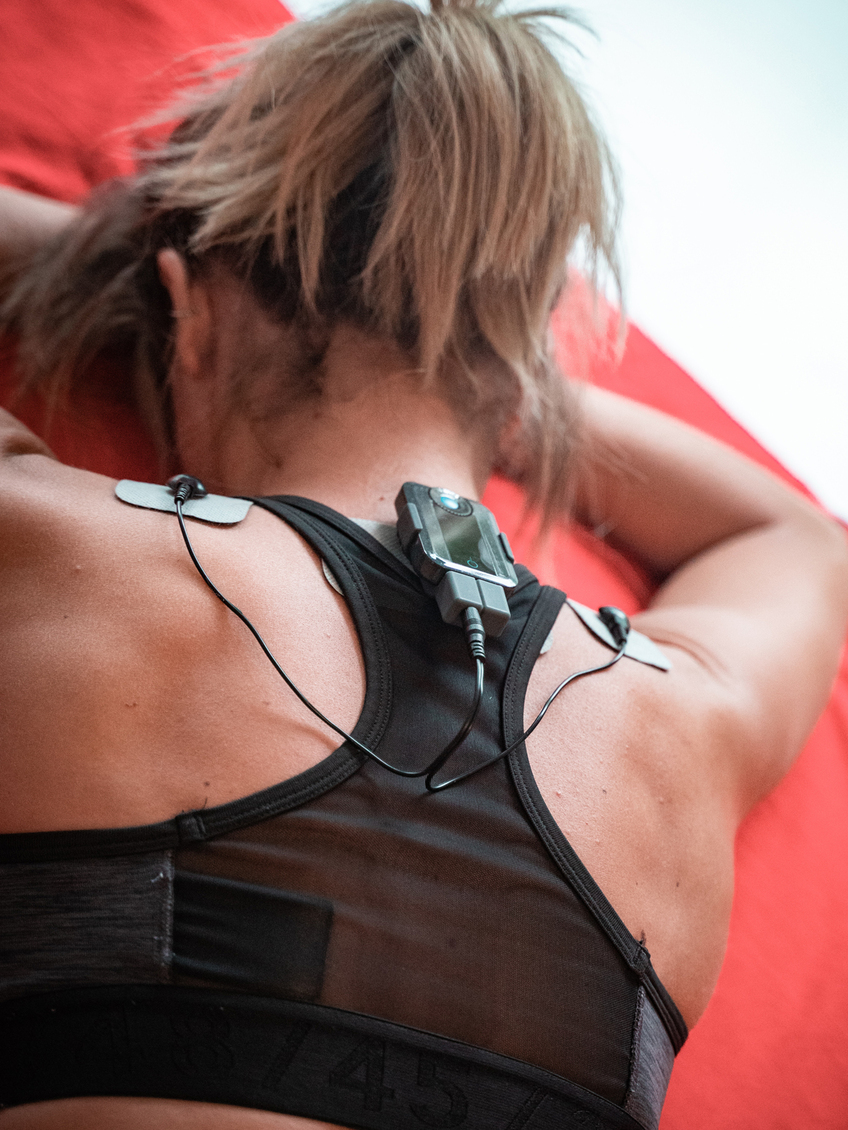
When it comes to an optimal workout programme, combining functional training with electrostimulation is a must. According to iTech Medical Division, electrostimulation, or EMS, plays a crucial role in strengthening muscles and improving endurance, two fundamental aspects of functional training.
Far from replacing physical exercise, this technique complements it. By stimulating the muscles with small electrical impulses, electrostimulation produces a more intense and deeper muscle contraction than conventional exercise. This not only strengthens the muscles in a more targeted way but also speeds up recovery after training, reducing muscle fatigue.
In addition, as Sport-Orthèse points out, electrostimulation is recognised for its ability to restore muscle volume and optimise rehabilitation. In the context of functional training, this means athletes can recover more quickly from intense exercise and maintain optimal physical performance.
For those looking to incorporate electrostimulation into their routine, Bluetens devices offer a practical and effective solution. The Bluetens Classic is ideal for beginners, while the DUO Sport is perfect for athletes looking for in-depth muscle recovery and improved performance. Easy to use and suitable for different fitness levels, these devices make electrostimulation accessible to everyone, effectively complementing functional training.
Practical tips to get the most out of functional training
When it comes to a muscular endurance programme, it is essential to take a strategic approach to maximise the results of your functional training. Here are some tips from David Lloyd's to improve your effectiveness:
- Start with the basics: Before moving on to complex exercises, make sure you master basic movements such as squats, lunges, push-ups and planks. These exercises are the cornerstone of any effective functional training programme.
- Vary your routines: To avoid monotony and keep challenging your muscles, change your training routines regularly. Introduce new exercises or adjust the parameters of existing ones (such as the number of repetitions, duration or intensity).
- Include compound exercises: Favour movements that work several muscle groups at the same time. This not only makes your training more effective but also helps improve coordination and balance.
- Listen to your body: Even if muscular endurance is a goal, it is crucial to listen to what your body is telling you. If you feel tired or are in pain, you should probably give yourself some rest
- Include electrostimulation in your routine: As a complement to your training, electrostimulation can help with muscle recovery, preparing the muscles before exercise and improving muscular endurance.
- Consult a professional: If you are new to functional training or have specific goals, guidance from a personal trainer can be invaluable to design a tailored programme and avoid mistakes.
By following these recommendations, you will be able to get the most out of your functional training sessions, improving your muscular endurance and overall performance.
Functional training and electrostimulation: towards optimal performance
In summary, functional training is a holistic and effective approach to improving strength, endurance and flexibility. By combining these workouts with electrostimulation, you can maximise your performance and speed up your recovery.
The exercise programmes and workout programmes we have explored provide a solid foundation for improving your overall fitness. Don't hesitate to incorporate these methods into your regular routine to enjoy their full benefits. With determination and the right tools, such as Bluetens Classic and DUO Sport, every training session becomes a step towards better fitness and greater efficiency.
Related posts
-
 How to treat pubalgia effectively?Pubalgia is a condition that affects between 5 and 18% of athletes and is characterised by intense and disabling pain...Read article
- L’électrostimulation c’est aussi de la détente musculaireQue ce soit après une longue journée dans un but de relaxation, ou dans le cadre du sport pour de la récupération...Read article
- Bluetens says stop to menstrual painThousands of women use our products to relief periods and endometriosis pain.Read article
- Electrostimulation and runningRecovery is a key phase in this one of the most popular sports practices. Electrostimulation is your muscles' best ally.Read article
- Electrostimulation for seniors wellnessHealth, Well-being, Sport, Bluetens covers all the needs of seniors in Serenity Pack.Read article