


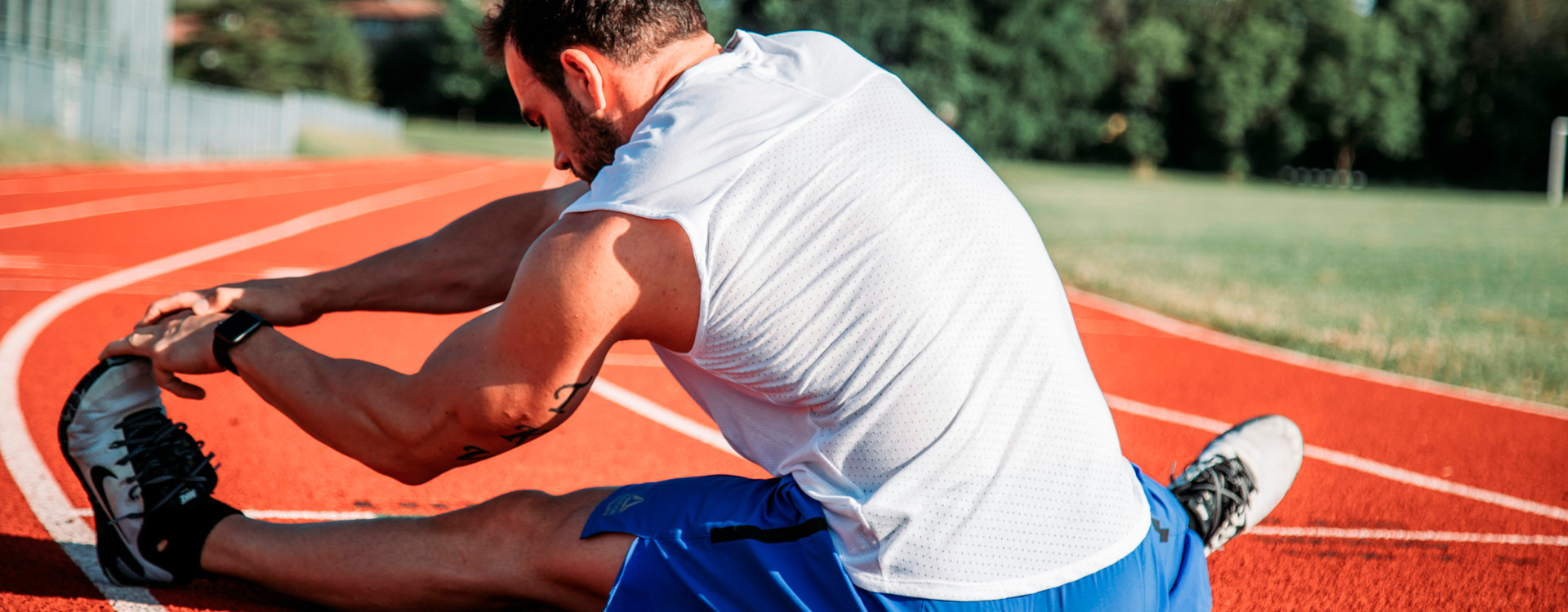
Post-Workout Stretching: Keeping the Body Toned and Balanced
After an intense training session, our bodies often need special attention, and stretching is an essential response to that need. Whether it is leg pain or any other muscle discomfort, stretching properly is crucial to maintaining good muscle and joint health.
Laure Fradon, an expert osteopath, stresses the importance of stretching to quickly clear accumulated toxins and promote effective muscle regeneration. It is an often neglected but essential step to prevent post-exercise pain, such as leg pain when stretching, and to help keep the body toned and balanced.
Why stretch after exercise?
Stretching after exercise is a crucial step for muscle and joint well-being. Taking wrist pain when stretching as an example, we realise how important these movements are to relieve built-up tension, especially after activities involving repetitive hand and arm movements.
Post-workout stretching offers several physiological benefits. It reduces muscle stiffness, improves flexibility and prepares the body for optimal performance in the future. It also plays a crucial role in clearing toxins and lactic acid from the muscles, which supports recovery and reduces the risk of aches.
According to Polar's recommendations, the ideal time to stretch is right after exercise, while the body is still warm. Stretches should be short, lasting 10 to 20 seconds per movement, to maximise their effectiveness while avoiding the risk of overstretching or injury. This practice not only supports fast muscle recovery but also helps prevent future pain. As Polar shows, this approach is essential to maintain muscle health and performance in the long term.
Targeted stretches for each area
The importance of stretching after a workout is undeniable, especially to ease specific pain such as hip pain when stretching or knee pain when stretching the quadriceps. By targeting specific areas, you can make stretching more effective and maximise the benefits for each part of the body.
For the legs, for example, stretches targeting the quadriceps and hamstrings are essential. They relieve tension in the knees and thighs, areas that are heavily used during running or cycling. Hip stretches are also crucial, especially for people who spend long hours sitting, to prevent stiffness and maintain mobility.
As for the wrists, which are often overlooked, stretching them can help prevent musculoskeletal disorders, especially for people who do manual work or frequently use electronic devices.
According to Radio-Canada, stretching after training helps make an effective transition to rest, gradually slowing the heart rate and preparing the body for recovery. As Radio-Canada points out, incorporating stretches suited to each area of the body into your post-workout routine can greatly help maintain a harmonious balance and prevent pain.
Electrostimulation to complement stretching
After a stretching session, using electrostimulation can significantly improve muscle recovery. According to information from Doctissimo and Sport Orthese, electrostimulation supports better recovery by clearing waste and restructuring your muscle fibres after a stretching session.
Combining traditional stretching with electrostimulation provides a comprehensive approach that helps revitalise and relax the muscles. Devices such as the Bluetens Classic and DUO Sport from Bluetens use electrical impulses to stimulate the muscles. These devices offer specific recovery, massage and pain relief programmes adapted to individual needs, and work without contracting the muscle, allowing complete relaxation and better flexibility.
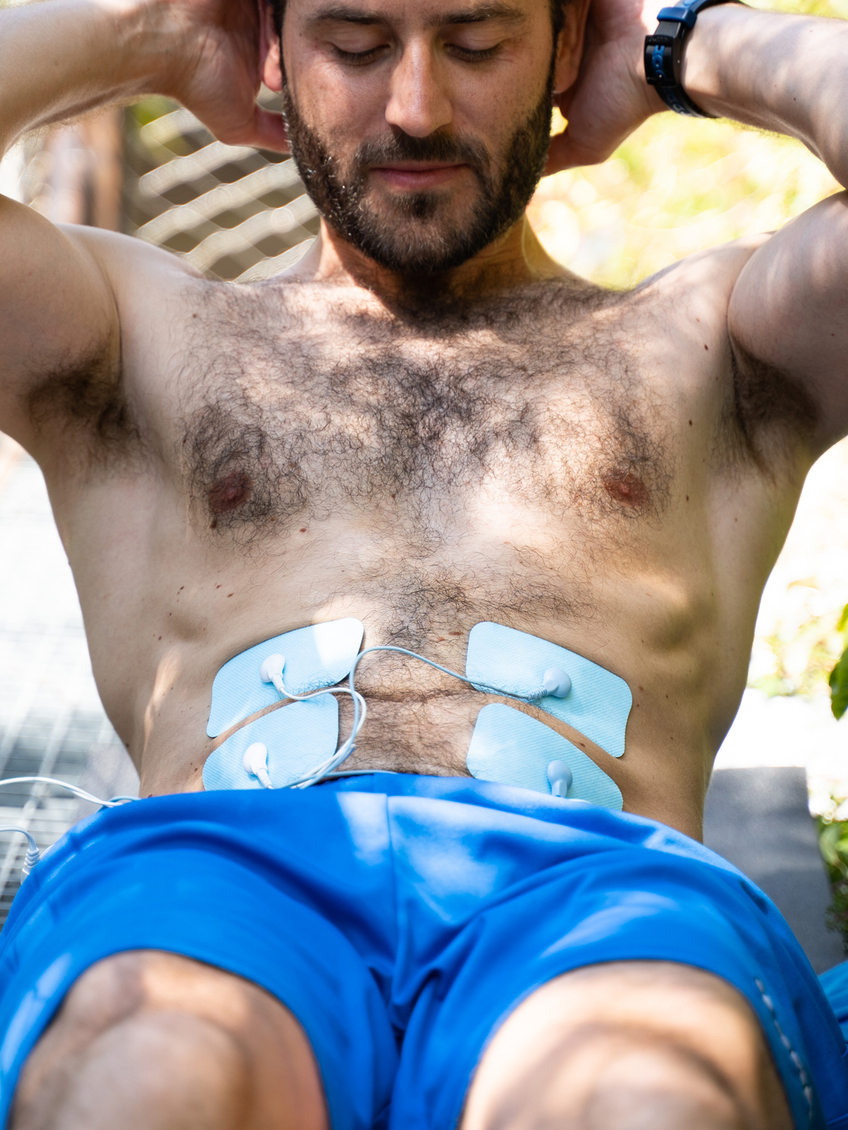
Incorporating a Bluetens device into your post-stretching routine lets you benefit from improved recovery and reduced muscle pain. It is an essential step to keep your body toned and balanced and to prepare your muscles for your next training sessions.
Practical tips for an effective stretching session
An effective stretching session is crucial to maximise the benefits of your training and minimise pain, especially in the legs. Here are some practical tips to stretch your muscles optimally:
- Appropriate duration: According to the recommendations of Laure Fradon Ostéopathe, it is advisable to hold each stretch for 15 to 30 seconds. This allows the muscles to relax completely and get the full benefit of the stretch.
- Controlled breathing: Breathe slowly and deeply while stretching. This helps oxygenate the muscles and promotes better relaxation.
- Stretch all the main areas: Make sure you cover all the main areas, including the legs, arms, back and neck. This contributes to overall body balance and avoids neglecting certain areas.
- Be gradual and gentle: As Polar points out, avoid sudden movements and overly intense stretches. Start gently and gradually increase the intensity.
- Respect pain: If you feel pain while stretching, stop. A stretch should feel like a comfortable tension, not pain.
- Stretch regularly: Consistency is key to reducing leg pain when stretching and improving flexibility. Include stretching in your daily routine, not just after workouts.
- Don't skip the warm-up: Before you start stretching, take a few minutes to warm up your muscles with light exercise such as walking or jogging on the spot. This prepares your muscles and makes them more receptive to stretching.
By following these tips, you can make your stretching sessions more effective and beneficial, contributing to faster recovery and better preparation for your next physical activities.
Stretching and electrostimulation: harmony and tone guaranteed
In conclusion, the importance of stretching and electrostimulation in post-workout recovery is undeniable. When adopted regularly, these practices help keep the body toned and balanced, reducing pain and improving flexibility for better overall performance.
Related posts
-
 How to treat pubalgia effectively?Pubalgia is a condition that affects between 5 and 18% of athletes and is characterised by intense and disabling pain...Read article
- L’électrostimulation c’est aussi de la détente musculaireQue ce soit après une longue journée dans un but de relaxation, ou dans le cadre du sport pour de la récupération...Read article
- Bluetens says stop to menstrual painThousands of women use our products to relief periods and endometriosis pain.Read article
- Electrostimulation and runningRecovery is a key phase in this one of the most popular sports practices. Electrostimulation is your muscles' best ally.Read article
- Electrostimulation for seniors wellnessHealth, Well-being, Sport, Bluetens covers all the needs of seniors in Serenity Pack.Read article