


Plantar fasciitis: symptoms, treatment and recovery
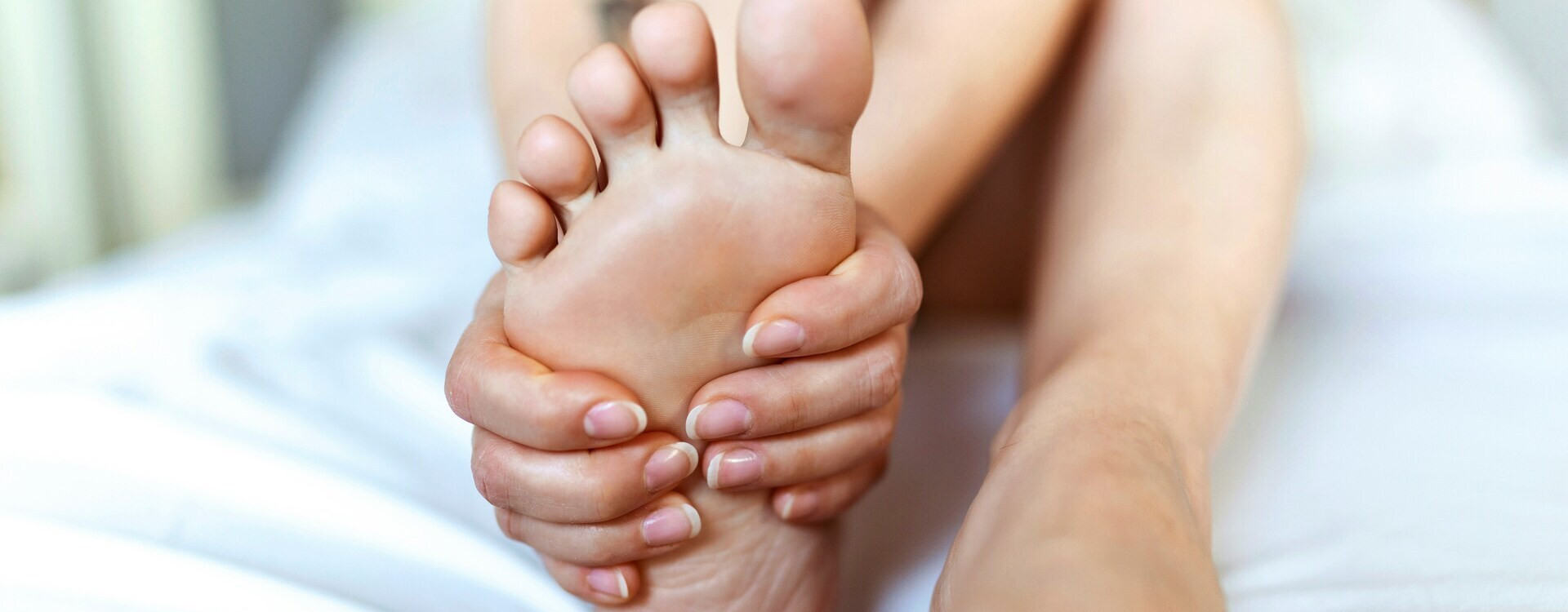
Plantar fasciitis, sometimes called plantar aponeurositis, most often causes pain under the heel. It is particularly noticeable with the first steps in the morning or after sitting for a while. Treatment is based on temporarily adapting your activities, comfortable footwear, targeted stretching and progressive strengthening of the foot and calf. Recovery is often gradual and can take several months.
Quick answer
How do you recognise plantar fasciitis?
The pain is usually located under the heel, near its inner edge. It is often worse with the first steps in the morning or after sitting, may ease after a few minutes of walking, then return with prolonged load.
What is the plantar fascia?
The plantar fascia is a thick fibrous band that connects the calcaneus, the heel bone, to the base of the toes. It supports the arch of the foot and stores energy during walking or running.
Repeated stresses that exceed the tissue’s capacity can create micro-tears near its attachment to the heel. The word “fasciitis” suggests inflammation alone. In long-lasting forms, professionals also speak of fasciopathy, as degenerative changes in the tissue can contribute to the symptoms.
What are the symptoms of plantar fasciitis?
Pain under the foot is generally concentrated at the front or inner edge of the heel. It can feel like stepping on a nail. The first steps after waking are often the most painful. The discomfort sometimes eases after a few minutes, then returns after a long walk, prolonged standing or a running session.
Pressing on the attachment point or lifting the toes can reproduce the pain. Often only one foot is affected.
How can you tell it apart from other heel pain?
| Location or situation | Possible cause | Common distinguishing signs |
|---|---|---|
| Under the heel, especially with the first steps | Plantar fasciitis | Gradual pain, sometimes easing after a few minutes of walking |
| At the back of the heel | Achilles tendinopathy | Pain on the tendon, stiffness when starting, discomfort when rising onto tiptoe |
| Very localised pain after an increase in impact | Calcaneal stress injury | Bone tenderness, pain that increases with weight-bearing and may persist at rest |
| Burning, tingling or numbness | Nerve irritation | Electric sensations or loss of sensation |
| Sudden pain during a jump | Plantar fascia rupture | Immediate stop, possible swelling or bruising |
A heel spur visible on an X-ray does not necessarily explain the pain. It can be present without any symptoms. The clinical examination remains central to identifying the origin of heel pain.
What are the causes and risk factors?
Plantar fasciitis often appears after a recent change: more walking, a return to running, a new job involving standing or extra sessions on hard surfaces. Reduced ankle mobility and calf stiffness can increase tension under the foot.
Worn or unsuitable shoes can contribute to symptoms. Flat feet or high arches change how load is distributed. Body weight and time spent standing also influence the risk.
How can you relieve pain under the foot?
Temporarily reduce the activities that trigger the pain, especially long walks, jumping and running. A low-impact activity can maintain your fitness if it remains comfortable. Avoid walking barefoot on hard floors during the sensitive phase.
Choose stable, comfortable shoes. A heel pad or insole can provide short-term relief; a podiatrist can determine whether a specific correction is useful.
Cold wrapped in a cloth can soothe the heel after activity. Ask for advice before using a painkiller or an anti-inflammatory.
Which exercises can you try?
The exercises should remain tolerable. Sharp pain or a lasting worsening requires an adjustment.
Plantar fascia stretch
Sit down and place the painful foot on your other thigh. Gently pull your toes towards you until you feel tension under the arch. Hold for 20 to 30 seconds and repeat three times, especially before your first steps in the morning.
Calf stretch
Place your hands against a wall. Step the painful leg back, keeping the heel on the ground and the knee straight. Move your hips forward until you feel the stretch in your calf. Hold for 20 to 30 seconds, then repeat three times. A second version with the knee slightly bent targets the soleus more.
Progressive heel raises
Hold on to a support and slowly rise onto your toes, then lower yourself in a controlled way. Start with both legs and a comfortable range of motion. Progress to one leg, a step or additional load once the foot tolerates the exercise well. A physiotherapist can set the right dose.
How long does recovery take?
The pain may decrease within a few weeks, but full recovery often takes several months. Symptoms fluctuate with load. A flare-up the next day indicates that the dose needs to be reviewed.
Running resumes once walking and heel raises are well tolerated, with mild and stable morning pain. Start by alternating walking and running on flat ground, then observe how your foot responds the next day.
To prepare your return to activity, also see Bluetens’ advice on how to return to running gradually. If the pain is located more at the back of the heel, the guide to Achilles tendon electrostimulation helps distinguish another area of overload.
During a gradual recovery
Has your heel pain been correctly identified?
Bluetens Classic 2 offers guided TENS, relaxation and muscle stimulation programmes. Once the diagnosis has been confirmed, they can support foot and calf comfort alongside exercises, suitable footwear and load management.
Key point: Electrostimulation does not repair the plantar fascia and must not mask bone pain, nerve pain or undiagnosed pain.
Discover Bluetens Classic 2Can electrostimulation help?
Exercises, load management and footwear form the basis of treatment. Electrostimulation does not repair the plantar fascia. Relaxation programmes can support calf comfort, and TENS can be discussed for pain.
Bluetens devices offer guided programmes. Follow the instructions for use and the diagnosis, and do not place electrodes on irritated skin or an area with altered sensation. Also see the guide to foot electrostimulation.
When to see a professional?
Make an appointment if the pain persists, worsens or clearly limits walking. Prompt medical attention is needed after an injury, or in case of significant swelling, inability to bear weight, unusual night pain or loss of sensation. People with diabetes should have any pain, wound or change in the foot examined promptly.
FAQ
Frequently asked questions
Are plantar aponeurositis and plantar fasciitis the same thing?
Both terms are commonly used for pain related to the plantar fascia. “Plantar fasciopathy” better describes certain chronic forms in which tissue degeneration matters as much as inflammation.
Can you keep walking?
A short, comfortable walk is generally still possible. Reduce the duration if the pain increases during the activity or is stronger the next morning.
Does a heel spur need to be removed?
Having a spur does not mean it is causing the symptoms. Treatment first targets pain, load and foot function. Surgery remains rare and is discussed with a specialist.
Is massage with a ball useful?
Gently rolling a ball under the arch can provide temporary relief. Keep the pressure comfortable.
Medical sources
Related posts
-
 History of electrostimulationPosted in: News01/10/202038 LikedElectrotherapy or electrostimulation, muscle stimulation, TENS, EMS you know it in many forms, but where does it come...Read article
- Nutrition advice: the shape in your plate!Posted in: News04/05/202325 LikedHere are some nutrition tips to improve your lifestyle and your physical condition.Read article
- Bluetens x Running Care02/07/202152 LikedThis year, Bluetens has collaborated with running Care, on this occasion our physiotherapist and head of the medical...Read article
- Comment améliorer efficacement sa course à pied ?Posted in: Running12/04/202236 LikedLa course à pied est une discipline sportive complète qui permet de se maintenir en forme et en bonne santé. Que vous...Read article
- Courir plus longtemps : nos astuces pour améliorer votre endurancePosted in: Running14/04/202226 LikedDe nombreux coureurs ressentent de la fatigue ou des douleurs pendant leur séance de course à pied, ce qui les...Read article
Blog navigation