
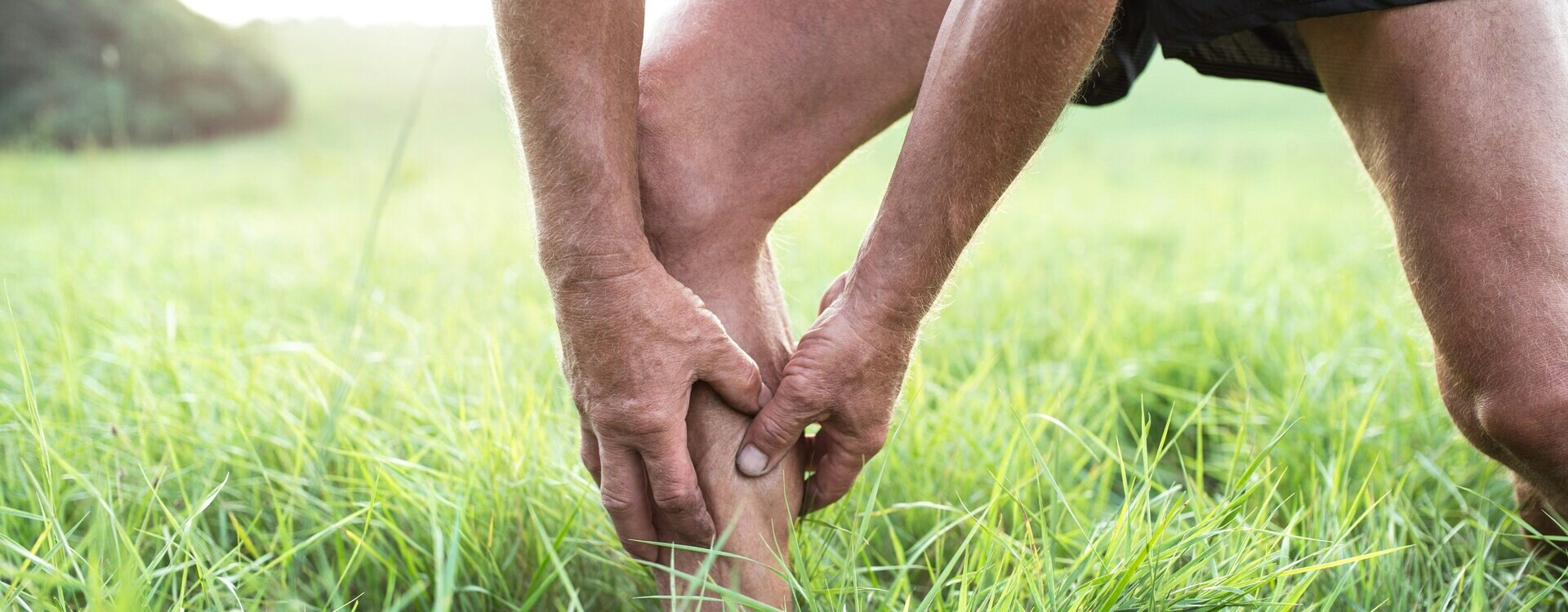
Shin pain with or without sport: possible causes
Experiencing shin pain is often associated with running. Shin splints are indeed one of the common causes in runners, but not all pain felt along the tibia is shin splints.
Pain can come from a muscle, a tendon, the bone or a nerve. Shin pain without sport calls for a different line of thinking, especially when it appears at rest.
The location, the context in which it appears and how the pain evolves provide the first clues.
Quick answer
What can shin pain mean?
Diffuse pain linked to running may suggest shin splints. Very precise pain on the bone, which increases with activity or persists at rest, calls for more caution, as a stress fracture must be ruled out.
Why does the shin hurt during or after sport?
The repeated impacts of running and intensive walking place a significant load on the structures of the leg.
When this load increases too quickly, pain can appear.
The MSD Manual uses the term shin splints for various leg pains linked to running or intensive walking. It also points out that some similar pain may correspond to a stress fracture or chronic exertional compartment syndrome.
How do you recognise shin splints?
Shin splints generally cause fairly diffuse pain along the tibia.
The pain often appears at the start of a run and may ease temporarily as the body warms up. As the irritation progresses, the pain may eventually remain present throughout the exercise.
A recent increase in mileage, a rapid return to sport, a change of surface or different shoes can contribute to its onset.
Bluetens already has a guide dedicated to shin splints, which describes these training-related factors in particular.
To learn more, see the Bluetens guide: how to treat shin splints?
Can very precise pain be a stress fracture?
Yes.
A stress fracture is a small crack in the bone caused by the accumulation of repeated stress.
The pain generally becomes stronger as the activity continues. As the injury progresses, it may start earlier during exercise and eventually persist at rest.
Very localised bone pain at a small point on the tibia therefore calls for more caution than diffuse discomfort.
An initial X-ray can sometimes be normal. An MRI or other imaging may be necessary when a stress fracture is suspected.
Why can your shin hurt without doing sport?
Having shin pain without sport should not automatically be classed as a sports injury.
In the absence of recent physical activity, several origins remain possible, including muscular, joint, nerve or circulatory causes.
Muscle tension can cause pain along the side of the tibia.
Nerve irritation can produce burning, tingling or pain that changes with position.
Pain may also be felt in the tibia even though its true origin lies in another structure of the leg.
The location described by the person therefore does not automatically identify the tissue responsible.
What does shin pain at rest mean?
Pain that appears only during running and disappears with rest is compatible with several overuse injuries.
Pain that starts to persist at rest deserves more attention.
The MSD Manual notes in particular that pain attributed to shin splints but which continues at rest may prompt a search for another cause, such as a stress fracture.
Persistent night pain, pain that increases rapidly or significant discomfort when walking are also good reasons to seek medical advice.
What should you do when the pain appears while walking or running?
Start by reducing the activity that triggers the symptoms.
If running causes pain, temporarily replacing some sessions with a lower-impact activity can avoid maintaining the irritation.
In the case of shin splints, treatment is based in particular on modifying activity before gradually returning to running once the symptoms have disappeared.
The return must also take into account what caused the overload: training volume, speed, recovery, terrain or shoes.
When a return becomes possible, gradually increase the duration and intensity. The Bluetens guide also explains how to return to running gradually.
Once the cause has been identified
Is your shin pain musculoskeletal in origin?
Bluetens Classic 2 offers TENS pain management programmes and muscle relaxation programmes accessible from the app. They can complement recovery when their use is suited to your situation.
Key point: Unexplained bone pain or a suspected fracture must not be masked by a pain relief programme before diagnosis.
Discover Bluetens Classic 2When should you see a doctor for shin pain?
Seek medical advice when the pain:
persists despite reducing activity;
also appears at rest;
is very localised on a precise point of the bone;
makes you limp;
gradually becomes stronger;
is accompanied by significant swelling.
Prompt medical attention is also recommended when persistent pain affects walking or returns without a clear cause.
Significant redness, unusual local warmth, fever or marked swelling also require an assessment.
Can you have shin splints without doing sport?
It is less typical.
Shin splints are mainly associated with the repeated impacts of running or intensive walking.
When pain appears at rest without a recent increase in physical activity, it is better to consider other causes before settling on this diagnosis.
How can you tell shin splints from a stress fracture?
Shin splints generally cause more diffuse pain over several centimetres.
A stress fracture is more likely to produce very localised pain that is tender to pressure and increasingly present during activity.
Pain that eventually persists at rest also increases the suspicion of a bone injury.
However, only a medical examination can confirm the diagnosis when the symptoms are unclear.
Can you keep running with shin pain?
Continuing to load a painful leg can prolong the problem.
With shin splints, running is generally stopped until it is pain-free, then gradually resumed.
Very localised pain or pain at rest should be assessed before returning, in particular to rule out a stress fracture.
Medical sources
Related posts
-
History of electrostimulationPosted in: News01/10/202038 LikedElectrotherapy or electrostimulation, muscle stimulation, TENS, EMS you know it in many forms, but where does it come...Read article -
Nutrition advice: the shape in your plate!Posted in: News04/05/202325 LikedHere are some nutrition tips to improve your lifestyle and your physical condition.Read article -
Bluetens x Running Care02/07/202152 LikedThis year, Bluetens has collaborated with running Care, on this occasion our physiotherapist and head of the medical...Read article -
Comment améliorer efficacement sa course à pied ?Posted in: Running12/04/202236 LikedLa course à pied est une discipline sportive complète qui permet de se maintenir en forme et en bonne santé. Que vous...Read article -
Courir plus longtemps : nos astuces pour améliorer votre endurancePosted in: Running14/04/202226 LikedDe nombreux coureurs ressentent de la fatigue ou des douleurs pendant leur séance de course à pied, ce qui les...Read article