


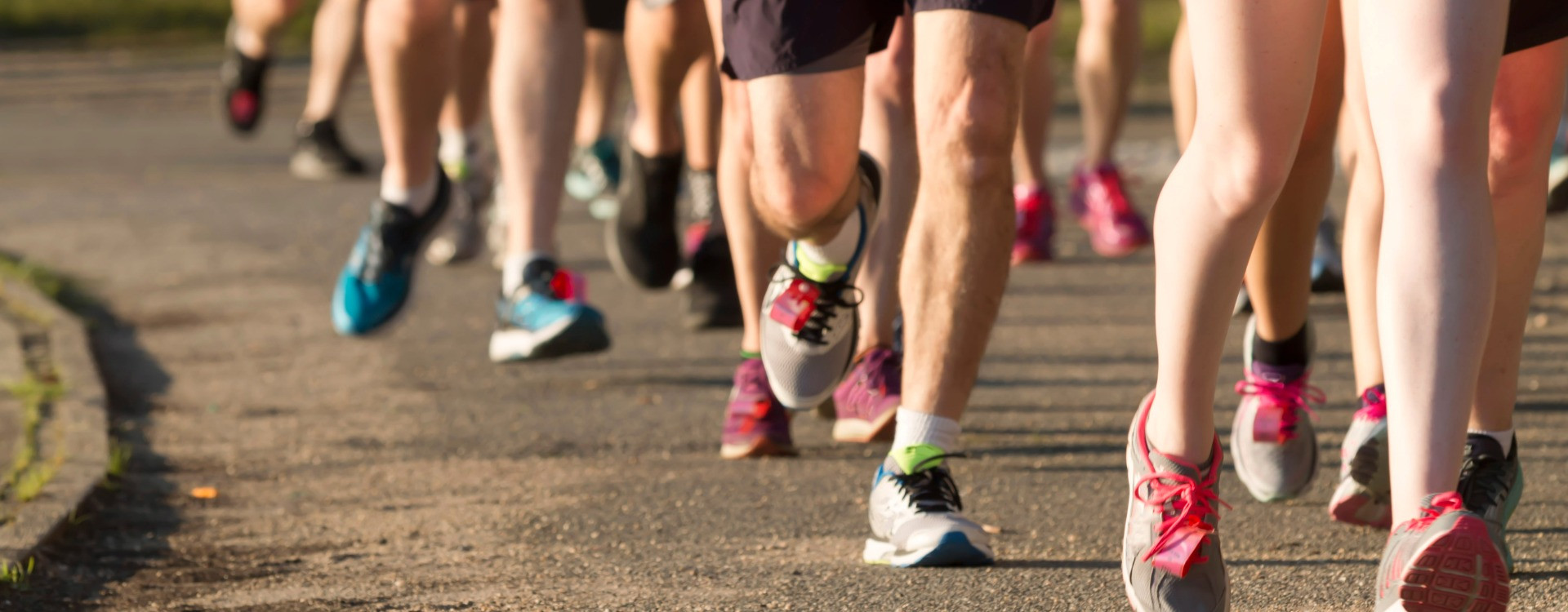
Heavy Legs and Running: Five Tips for Lighter Legs
A feeling of heaviness in the legs is a very common complaint, usually caused by poor blood circulation in the body. Pain, tingling, swelling: the symptoms are many and can become disabling.
Intensive sports activity, such as running, can also cause this particularly unpleasant feeling in the lower limbs.
Discover the possible reasons for heavy legs when running, along with five tips to relieve them effectively.
Heavy legs when running: symptoms and causes
Heavy legs are relatively easy to identify because of the many symptoms they cause. However, the exact cause of their onset can be hard to pin down.
Symptoms of heavy legs
The most common symptoms of heavy legs are:
- A feeling of heaviness,
- Significant fatigue and loss of muscle strength,
- Muscle tension with pain of varying intensity,
- Pins and needles,
- Swelling of the ankles and feet, mainly when it's hot,
- Etc.
These symptoms mostly affect the calves and get worse after a long period of inactivity, such as when you wake up.
Why do my legs feel heavy when I run?
Heavy legs are usually caused by venous insufficiency. In practice, the blood struggles to return to the heart and pools in the lower limbs.
Certain factors lead to circulation problems and make heavy legs more likely:
- Age,
- Lack of strength and endurance in the leg muscles,
- Sex (women are more affected),
- Heredity,
- Being overweight,
- Heat,
- Sedentary jobs,
- Etc.
Although regular sport is recommended to relieve heavy legs, an intensive running session can cause a feeling of heavy legs.
After particularly intense effort, a large amount of toxins and waste builds up in the muscles used. When too much waste is stored, the muscles become painful, tense and prone to fatigue.
Five tips to relieve heavy legs after running
Here are five good habits to adopt to relieve heavy legs after sport.
1. Drink enough before, during and after exercise
Hydration is an essential part of any sport, including running. It is important to drink enough before, during and after exercise to prevent heavy legs.
Dehydration makes the blood thicker, which reduces venous return. Athletes' recovery is therefore impaired, as toxins and waste are less well eliminated. In addition, nutrients and oxygen reach the muscles less easily.
It is recommended to drink between 1.5 and 2 litres of water a day. During a slow-paced run, a runner loses on average 0.5 to 1 litre of water per hour through sweating.
It is important to make up for these losses by regularly drinking small amounts of water. One or two sips of water every 15 minutes is ideal to stay hydrated and avoid discomfort while running.
2. Practise active recovery
Active recovery means doing low-intensity physical activity that gently works the muscles and joints. This helps to optimise waste elimination by improving blood circulation.
Runners can, for example, include one or two active recovery sessions in their weekly training programme. Yoga, swimming, walking and cycling are perfect for athletes who want to relieve heavy legs after running.
3. Massage your legs to avoid heavy legs when running
Massages are an excellent natural remedy to relieve heavy legs after a run. Since the aim is to help the blood flow back up to the heart, start the massage at the feet and work up towards the thighs and buttocks.
To find out more about massages for heavy legs, read our article on the subject.
4. Wear compression socks
Compression socks, also known as support socks, are used to combat venous insufficiency by compressing the lower limbs.
However, so-called "recovery" socks, with slightly lower circular compression, will be more effective after exercise, as well as much easier to use and more comfortable.
It is recommended to wear them after training to optimise recovery and reduce any post-run pain.
5. Stretch properly after running
Doing stretching exercises after every run is an excellent habit to prevent heavy legs. Stretching relaxes tense muscles and improves venous return after exercise.
Here are two particularly effective stretching exercises that are easy to do after a run.
Thigh stretch
Standing up straight, bring one heel towards your buttocks by holding your ankle with your hand. Make sure your knees stay together and hold the position for 20 to 30 seconds. Repeat with the other leg.
Feel free to use your free hand to keep your balance.
Calf stretch
Standing facing a wall, stretch both arms out with your palms flat against the wall. Place one foot in front of you, trying to form a right angle with your knee. Then place your other foot behind you, flat on the floor, so that your leg is fully extended.
Adjust your position to get the best stretch and hold it for 20 to 30 seconds. Repeat with the other leg.
Electrostimulation: a solution for heavy legs when running
Electrostimulation is a natural, painless solution to relieve heavy legs. The electrical impulses, delivered through electrodes placed on the legs, stimulate and massage the affected muscles.
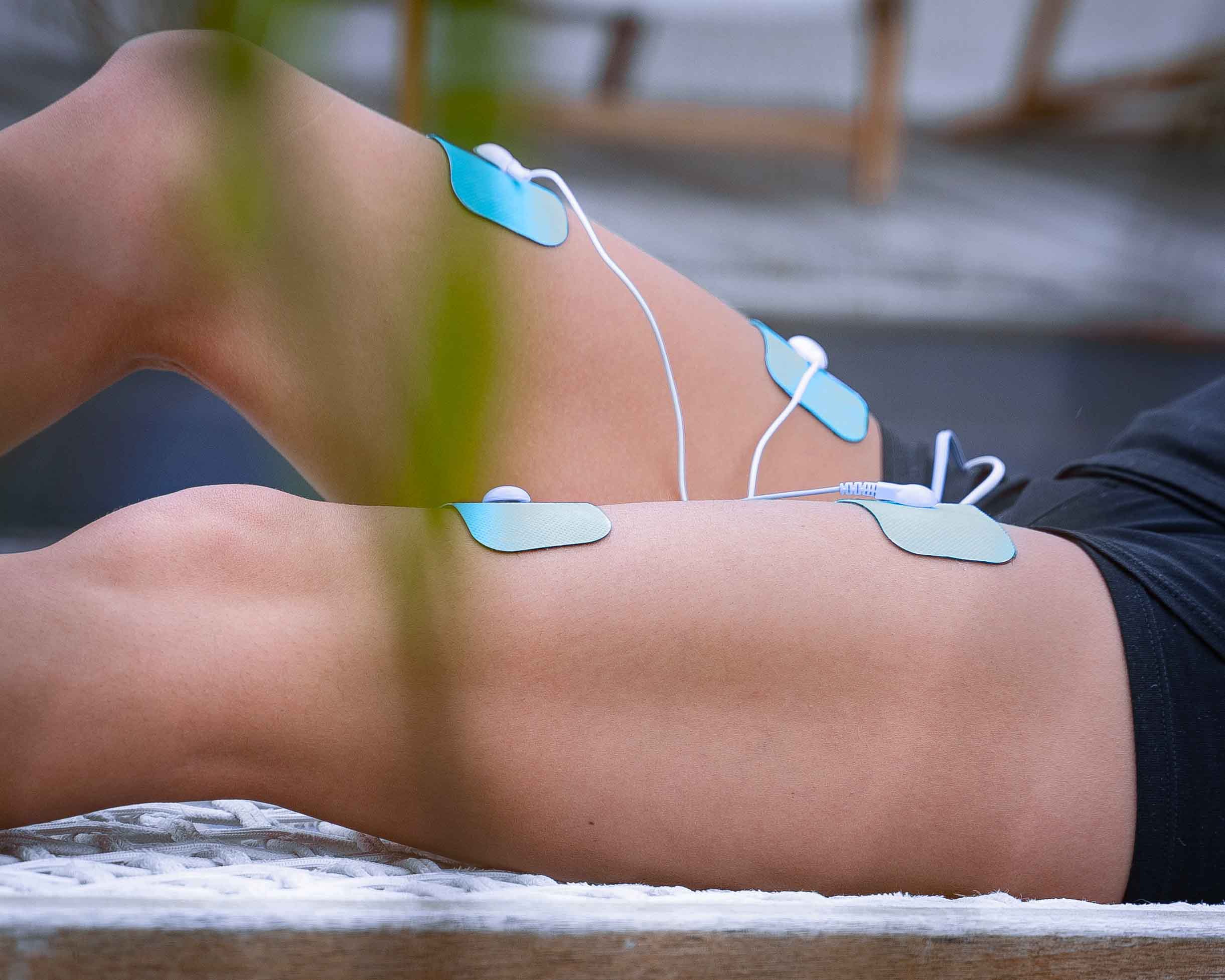
The benefits of electrostimulation for heavy legs
Electrostimulation offers many benefits for people who suffer from heavy legs:
- Improved blood circulation,
- More efficient elimination of toxins and waste,
- Increased venous return,
- Reduced pain and muscle tension,
- Etc.
Bluetens programmes to relieve heavy legs after running
Bluetens offers two electrostimulation programmes, available in the app, to effectively relieve heavy legs.
The “Heavy legs” programme
This programme activates the calf muscle pump to prevent venous stasis. The electrical impulse tones the deep muscles around the veins, which helps limit their dilation. The pain you feel is also relieved. This programme lasts 18 minutes and can be used up to three times a day.
To access it, go to the “Single session” section from the app's home page, then choose the “Cure” option and the “Calf” body part. Then select the “Heavy legs” programme in the “Circulation” section.
The “Active recovery” programme
The “Active recovery” programme is a great ally for all athletes after a run. Contracting the muscles helps flush out metabolic waste by improving blood flow. This programme lasts 25 minutes and can be used up to three times a day.
To access it, go to the “Single session” section of the app, then choose the “Relax” option and the body part you want to target. Then select the “Active recovery” programme in the “Sports activities” section.
Please note that the "Active recovery" programme is mainly used after muscular efforts that did not involve much eccentric work (significant downhill running).
Posted in: Heavy legs
Related posts
-
 Avoir les jambes lourdes après le sport : causes et techniques de soulagementDans certains cas, il est également possible d’avoir les jambes lourdes après le sport. Découvrez pourquoi le sport...Read article
- Exercises to Relieve Heavy, Painful Legs [Top 5]Discover five exercises to relieve heavy, painful legs in a simple, effective and natural way.Read article
- Improving blood circulation: which sport for heavy legs?Find out which sport to do for heavy legs to improve your everyday life and regain a pleasant feeling of lightness.Read article