


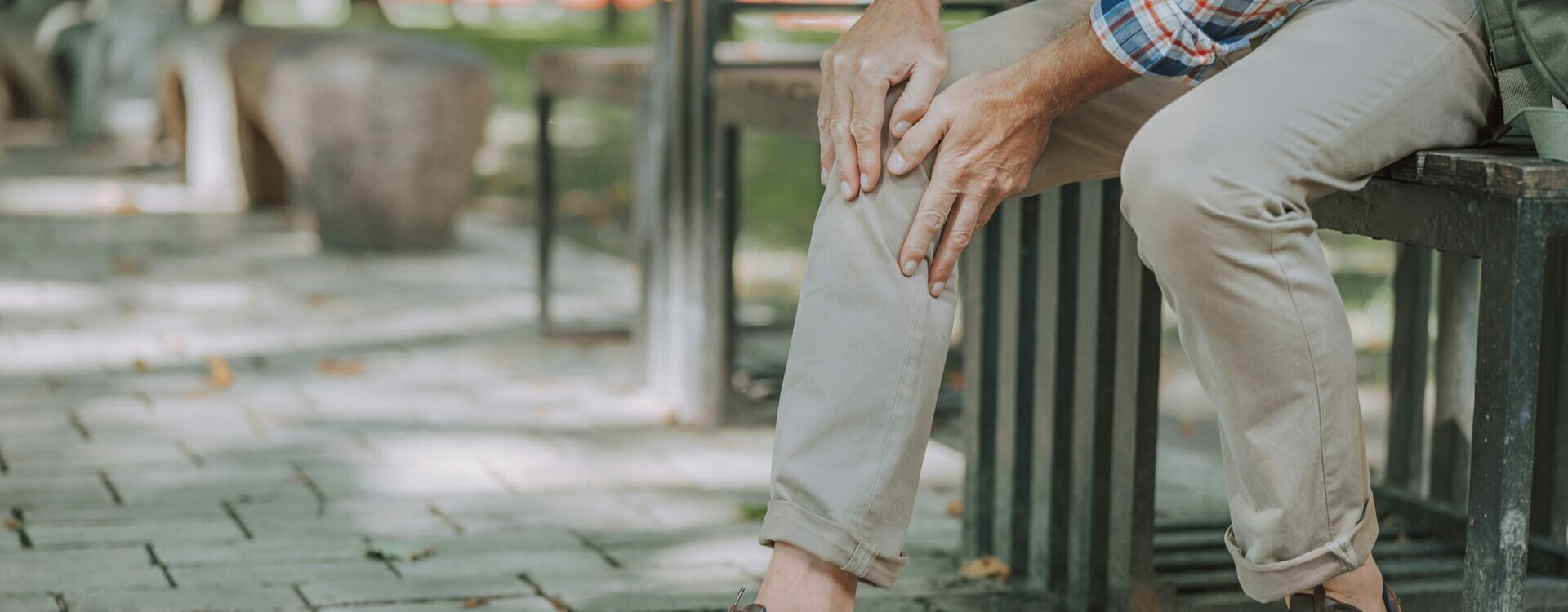
Knee pain after running: the main causes
Knee pain after running can come from overload of the tissues around the kneecap, tendinopathy, iliotibial band syndrome or irritation of the meniscus. Where the pain is, when it appears and whether there is swelling help guide the examination. Stop running if the pain changes your stride. A knee that is very swollen, locked or unable to bear weight requires prompt medical attention.
Quick answer
Why does the knee hurt after running?
An increase in volume, speed or elevation gain can exceed the tissues’ capacity to recover. The location of the pain, when it appears and the presence of swelling help guide the examination.
Why can your knee hurt after running?
The knee absorbs stress with every stride. A recent increase in volume, speed or elevation gain can exceed the ability of a tendon, a muscle or the joint to recover.
Knee pain after running is not always immediate: discomfort may appear a few hours after the session. For other runners, it starts after a specific distance. Note when it occurs and exactly where.
What does the location of the pain mean?
| Painful area | Common cause in runners | Typical situation |
|---|---|---|
| Front of or around the kneecap | Patellofemoral pain syndrome | Pain after running, on stairs, when squatting or after sitting for a long time |
| Outer side of the knee | Iliotibial band syndrome | Pain linked to distance, often worse when running downhill |
| Below the kneecap | Patellar tendinopathy | Discomfort during accelerations, jumps and changes of pace |
| Inner side | Pes anserine tendinopathy or medial meniscus | Pain when bearing weight; locking or swelling points more towards the meniscus |
| Behind the knee | Muscle overload, popliteal cyst or other cause | Tightness when bending, possible feeling of a lump or swelling |
| Very precise point on the bone | Stress injury | Pain that increases with impact and may eventually affect walking |
This table presents possible explanations. Several structures are close together and can produce similar symptoms. An examination is necessary if the pain persists or shows unusual signs.
Patellofemoral pain syndrome
Patellofemoral pain syndrome, often called “runner’s knee”, causes diffuse pain at the front of the knee or behind the kneecap. It is encouraged by repeated bending under load. Stairs, squats and prolonged sitting can also bring it on.
Treatment focuses on running load, quadriceps and hip strength, and control of the lower limb. A physiotherapist can also assess cadence and running surface.
Iliotibial band syndrome
Pain on the outside of the knee when running often suggests iliotibial band syndrome. The discomfort frequently appears after a fairly consistent running time and eases when you stop. Downhills and cambered roads are sometimes poorly tolerated.
Our article on iliotibial band syndrome details the symptoms, strengthening and return to running.
Knee tendinopathies
The patellar tendon connects the kneecap to the tibia. Well-localised pain below the kneecap, sensitive to jumps and accelerations, may indicate tendinopathy. On the inner side, a few centimetres below the joint, the pes anserine tendons can also become painful after an increase in load.
Treatment temporarily reduces stress on the tendon and gradually strengthens it. A professional may suggest isometric exercises, followed by squats and dynamic variations.
Meniscus, ligaments and traumatic injuries
A twist, a fall or a poorly controlled change of direction can damage the meniscus or a ligament. Rapid swelling, locking, a feeling of the knee giving way or being unable to fully straighten the knee warrants an examination.
A stress injury develops more subtly. The pain is concentrated on one point, appears earlier during the run, and may then affect walking or occur at rest.
What to do right after the session?
Reduce or stop running when the pain changes your stride. Cold wrapped in a cloth can provide relief for 10 to 20 minutes. Light compression and elevation can be comfortable if the knee is slightly swollen.
Over the following days, keep your activities within a tolerable range. Avoid testing the knee every day with a full run.
Note the exact location, when it appeared, any changes to your training and how it responds the next day. This information will help the professional.
How to return to running?
Your return begins when walking, stairs and basic movements are comfortable, with no swelling. Start by alternating slow running and walking on flat ground.
If symptoms remain mild for 24 hours, increase just one element. Speed, hills and downhills come back after several well-tolerated sessions.
To plan your first sessions, also see our advice on how to return to running gradually and the guide to electrostimulation for running.
During a gradual return
Rebuilding your running routine?
Duo Sport 2 offers guided programmes for preparation, recovery, TENS and EMS. Once the cause has been identified, it can complement work on the quadriceps, hamstrings or glutes as part of a progressive programme.
Key point: A knee that is swollen, locked, unstable or unable to bear weight must be examined before any stimulation of the area.
Discover Duo Sport 2Electrostimulation in runner recovery
TENS can support the relief of diagnosed pain. EMS can complement work on the quadriceps, hamstrings or glutes as part of a progressive programme. The choice of area and programme depends on the cause of the knee pain.
The Duo Sport 2 offers guided programmes for preparation, recovery and pain relief. A swollen, locked or unstable knee must be examined before any use on the area.
For pain at the front of the knee, also see the Bluetens guide to electrostimulation and patellar syndrome.
When to seek prompt medical advice?
Seek a prompt assessment if you cannot bear weight, or if the knee is very painful, deformed or severely swollen. Locking, giving way, redness with warmth or fever also require medical advice.
For less intense pain, seek advice if it does not improve after a week without running, returns each time you resume or starts to affect daily life. Early treatment helps identify the cause and maintain a suitable level of activity.
FAQ
Frequently asked questions
Why does my knee only hurt after running?
Cumulative load can irritate a tissue without immediately causing pain. The discomfort then appears during the cool-down or a few hours later. When it appears remains useful information for the assessment.
Can you run with mild knee pain?
Mild discomfort can sometimes be tolerated within a supervised plan. Stop if it gets worse, changes your stride or is stronger the next day.
Are shoes always to blame?
Shoes can contribute if they are worn, uncomfortable or recently changed. Load, recovery and muscle capacity also matter.
Does cold treat the cause?
Cold can temporarily reduce discomfort. It does not correct overload, weakness or an injury. Recovery depends mainly on the diagnosis, load management and appropriate rehabilitation.
Medical sources
Related posts
-
 History of electrostimulationPosted in: News01/10/202038 LikedElectrotherapy or electrostimulation, muscle stimulation, TENS, EMS you know it in many forms, but where does it come...Read article
- Nutrition advice: the shape in your plate!Posted in: News04/05/202325 LikedHere are some nutrition tips to improve your lifestyle and your physical condition.Read article
- Bluetens x Running Care02/07/202152 LikedThis year, Bluetens has collaborated with running Care, on this occasion our physiotherapist and head of the medical...Read article
- Comment améliorer efficacement sa course à pied ?Posted in: Running12/04/202236 LikedLa course à pied est une discipline sportive complète qui permet de se maintenir en forme et en bonne santé. Que vous...Read article
- Courir plus longtemps : nos astuces pour améliorer votre endurancePosted in: Running14/04/202226 LikedDe nombreux coureurs ressentent de la fatigue ou des douleurs pendant leur séance de course à pied, ce qui les...Read article
Blog navigation