


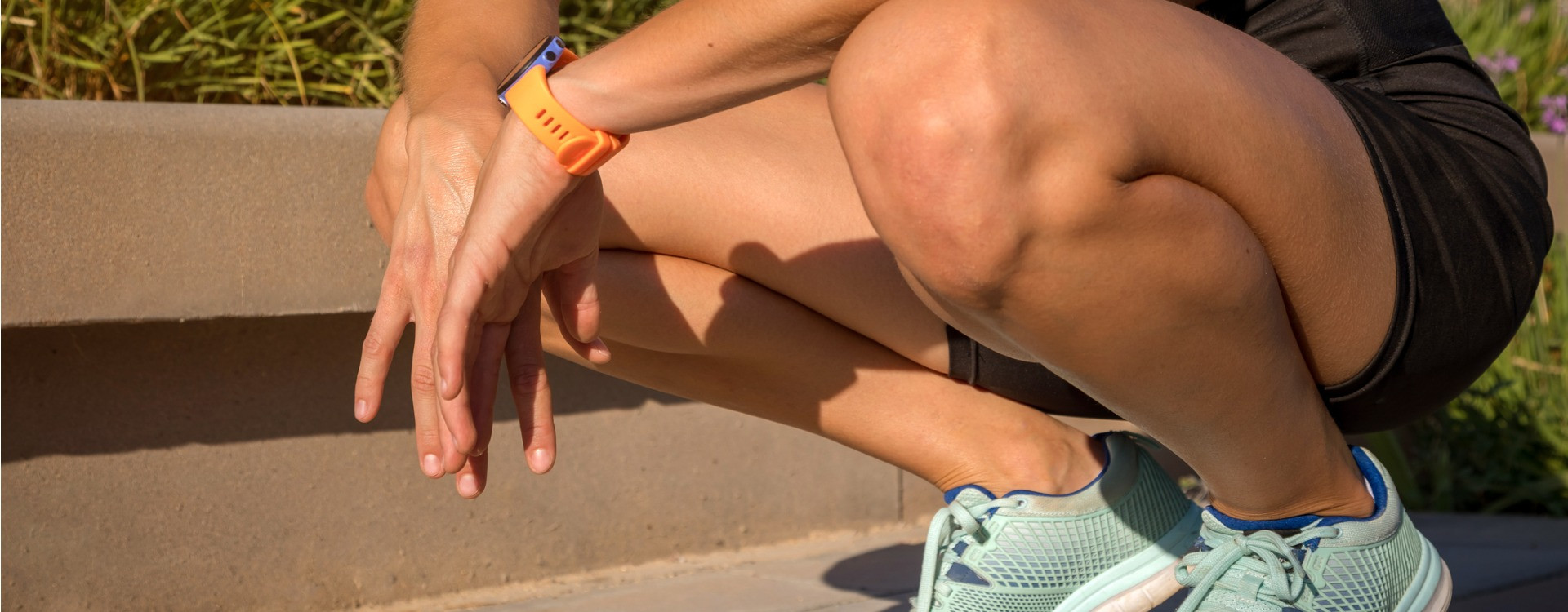
Heavy legs after sport: causes and relief techniques
Heavy legs are a very common condition, usually linked to venous insufficiency. This results in legs that feel numb, heavy and sometimes swollen. The muscles are particularly prone to fatigue and can become painful.
In some cases, you can also get heavy legs after sport. Find out why sport can cause this feeling of heaviness in the legs and the best methods to relieve it.
Why do your legs feel heavy after sport?
The feeling of heaviness in the legs is usually caused by poor blood circulation. Instead of flowing back to the heart, the blood pools in the lower limbs.
However, it is normal to sometimes have heavy legs just after a sports session, especially when it has been long or intense.
This phenomenon is explained by the production and build-up of waste products, such as lactic acid, in the muscles used during sport. When the concentration of waste is too high, the muscles need rest and become unable to perform their function.
In addition, intense sporting activities tire the muscles to the point of causing muscle pain and a significant loss of power.
Heavy legs after sport: how to relieve them effectively?
Here are some tips and several methods to effectively relieve heavy legs after sport.
Drink enough before, during and after sport
Good hydration is essential before, during and after any physical activity. Drinking enough water brings a feeling of lightness to the legs by improving blood circulation in the body.
In addition, the muscles recover more quickly thanks to better elimination of the waste and toxins stored in the legs.
As a reminder, it is recommended to drink between two and three litres of water a day to stay well hydrated. During sport, you need to increase this amount to compensate for fluid loss and maintain an adequate level of hydration.
Massage: an excellent remedy for heavy legs after sport
Massage for heavy legs is an effective, natural method for relieving the main symptoms felt after sport.
In practice, massage helps to:
- Improve blood circulation,
- Reduce pain and promote muscle recovery,
- Eliminate stored toxins and waste,
- Reduce any swelling and prevent varicose veins in the legs,
- Improve well-being and reduce stress,
- Etc.
There are many self-massage techniques for working the feet, ankles, calves and thighs. Simply making back-and-forth and kneading movements with the palm of your hand already lets you feel the benefits of massage.
For best results, adapt and vary the rhythm and pressure of the movements according to how you feel. Massage should never be painful or cause significant discomfort.
People who regularly suffer from heavy legs can also consult a physiotherapist, who can give massages in the best conditions or share effective massage tips and techniques to combat the condition.
Stretch well after exercise
Another important habit for relieving the feeling of heaviness in the legs after sport is to stretch well after exercise. Stretching relaxes the muscles, supports their recovery process and improves venous return.
Here are two examples of stretching exercises to relieve heavy legs.
Thigh stretch
Standing, lift one lower leg backwards, holding your ankle with your hand, until your heel touches your buttock.
Keep your other leg straight and hold the position for 20 to 30 seconds. Repeat the exercise with the other leg.
Foot stretch
Standing with both feet flat on the floor, slowly rise onto your tiptoes, trying to make yourself as tall as possible. Then slowly lower yourself back to the starting position. Do 10 to 15 repetitions.
To increase the stretch, you can stay on your tiptoes for 10 seconds during the last repetition.
The main aim of massage and stretching is to relax the muscles, thereby relieving the compression on the small internal blood vessels and facilitating circulatory drainage, the first element of physiological recovery.
Take a cold shower
Even though a hot shower is relaxing and boosts well-being, it is best avoided after sport to prevent heavy legs. Heat dilates the blood vessels and reduces blood circulation in the body.
On the other hand, there is nothing like a cold shower to improve blood circulation and reduce the feeling of heaviness in the legs. Cold constricts the blood vessels.
Electrostimulation
Electrostimulation is a natural method that effectively combats venous insufficiency and heavy legs.
This painless technique uses low-intensity electrical impulses, delivered through electrodes placed on the skin, which artificially stimulate the muscles.
The benefits of electrostimulation for heavy legs after sport
Electrostimulation offers many benefits for people who suffer from heavy legs after sport:
- Electrostimulation improves blood circulation by stimulating and massaging the targeted muscles,
- Elimination of stored toxins and waste,
- Increased venous return,
- Reduced pain and less feeling of fatigue in the legs,
- Etc.
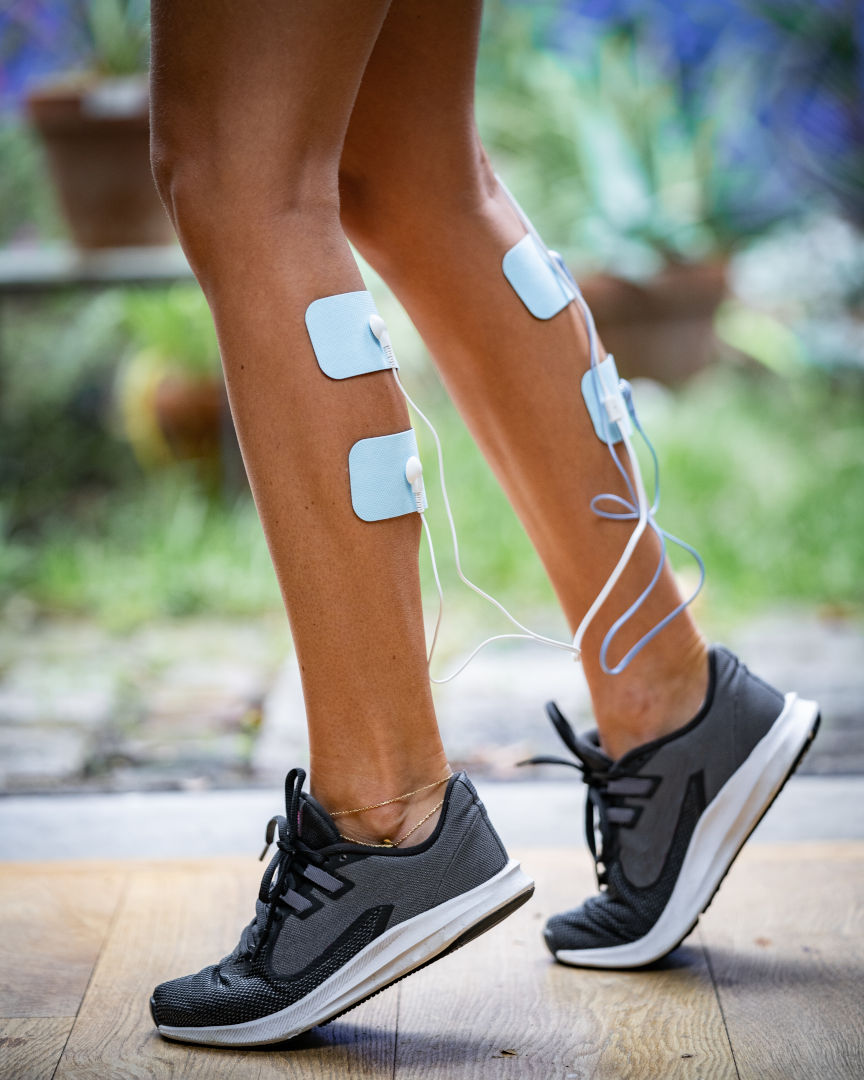
Relieving heavy legs after exercise with Bluetens electrostimulation programmes
Bluetens offers a wide range of electrostimulation programmes in its intuitive app to treat certain specific conditions, such as heavy legs.
Here are two programmes to use for heavy legs after intense physical activity.
The “Heavy legs” programme
The “Heavy legs” programme activates the calf muscle pump to prevent venous stasis. The electrical impulses relieve pain and tone the muscle fibres around the veins to limit their dilation. Lasting 18 minutes, this programme can be used up to three times a day depending on how you feel.
To access it, go to the “Single session” section from the home page of the app, then choose the “Cure” option and the “Calf” body area. Then select the “Heavy legs” programme in the “Circulation” section.
The “Active recovery” programme
Lasting 25 minutes, this programme is specifically designed to improve blood flow and optimise the removal of waste after intense exertion. The lactic acid in the blood is eliminated more quickly than with purely passive recovery based on rest.
To access it, go to the “Single session” section, then choose the “Relax” option and the “Thigh” body area. Then select the “Active recovery” programme in the “Sports activities” section.
It should be noted that wearing so-called "recovery" socks, which apply circular pressure to the entire foot and leg and are more comfortable than the compression stockings that may be prescribed for impaired venous function, provides ongoing post-exercise support that is highly complementary to the techniques described above.
Keeping the legs horizontal and not crossing them when sitting also greatly speeds up recovery from post-exercise fatigue, which shows up as heavy legs.
Posted in: Heavy legs
Related posts
-
 Heavy Legs and Running: Five Tips for Lighter LegsDiscover the possible reasons for heavy legs when running, along with five tips to relieve them effectively.Read article
- Exercises to Relieve Heavy, Painful Legs [Top 5]Discover five exercises to relieve heavy, painful legs in a simple, effective and natural way.Read article
- Improving blood circulation: which sport for heavy legs?Find out which sport to practise for heavy legs to improve your daily life and enjoy a pleasant feeling of lightness...Read article